
Why Plastic Waste Is So Difficult to Recycle in the Philippines (And What We Can Do About It)
By The Plastic Flamingo | Christian Aaron Orot
Every day, thousands of tons of plastic waste are generated across the Philippines. While many people believe that placing plastic in the recycling bin is enough, the reality is far more complicated.
In fact, only a small percentage of plastic waste is successfully recycled. The rest often ends up in landfills, waterways, or leaks into the environment.
So why is recycling plastic so difficult?
The answer isn't simply "because people don't recycle." It's a combination of material science, infrastructure, waste management systems, and consumer behavior.
Understanding these challenges is the first step toward building a more circular future.
1. Not All Plastics Can Be Recycled Together
One of the biggest misconceptions about recycling is that all plastics are the same.
In reality, plastics are made from different polymers, each with unique properties and recycling requirements.
Examples include:
HDPE (High-Density Polyethylene)
PP (Polypropylene)
LDPE (Low-Density Polyethylene)
PET (Polyethylene Terephthalate)
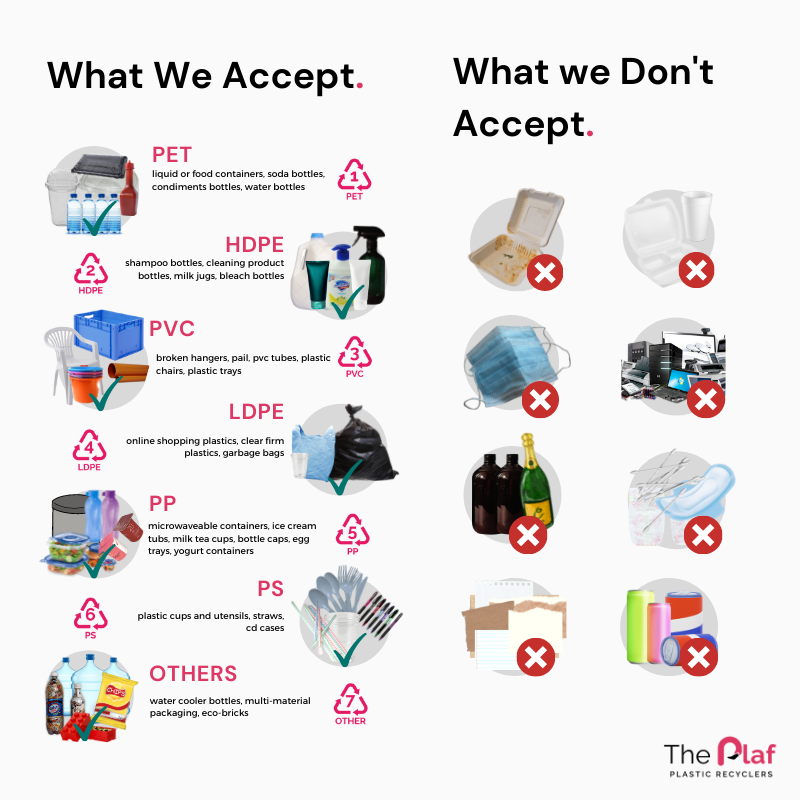
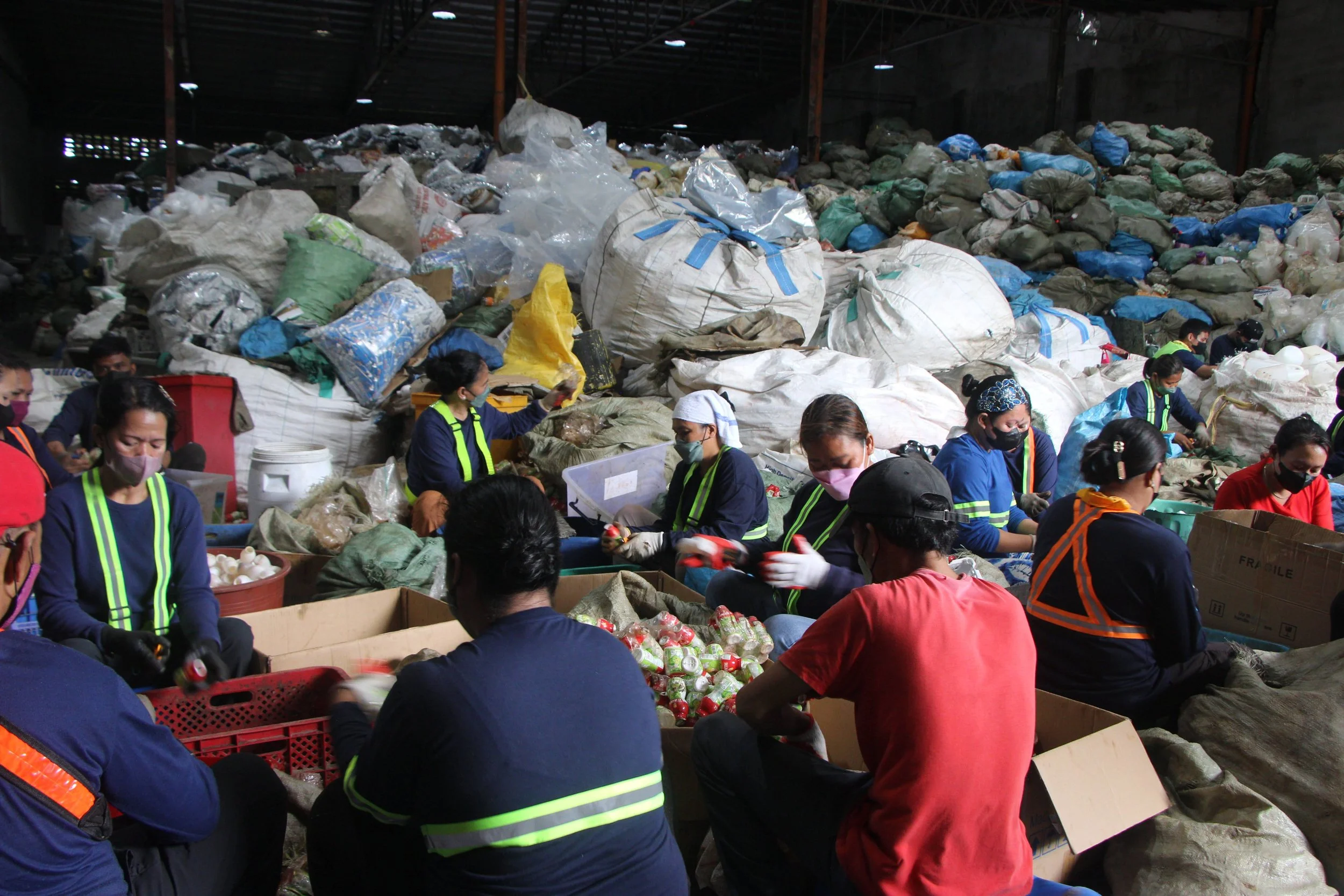
Mixing different types of plastics during recycling can reduce material quality or even make them unusable. That's why careful sorting is one of the most important, and most time-consuming, steps in the recycling process.
2. Contaminated Plastic Is Harder to Recover
Another major challenge is contamination.
Plastic containers that still contain food residue, oil, chemicals, or liquids require extensive cleaning before they can be processed.
Labels, adhesives, and mixed materials also complicate recycling because they must often be removed before the plastic can be transformed into new products.
A simple habit, cleaning and drying plastic before disposal, can significantly improve its chances of being recycled.
3. Flexible Plastics Are More Difficult to Process
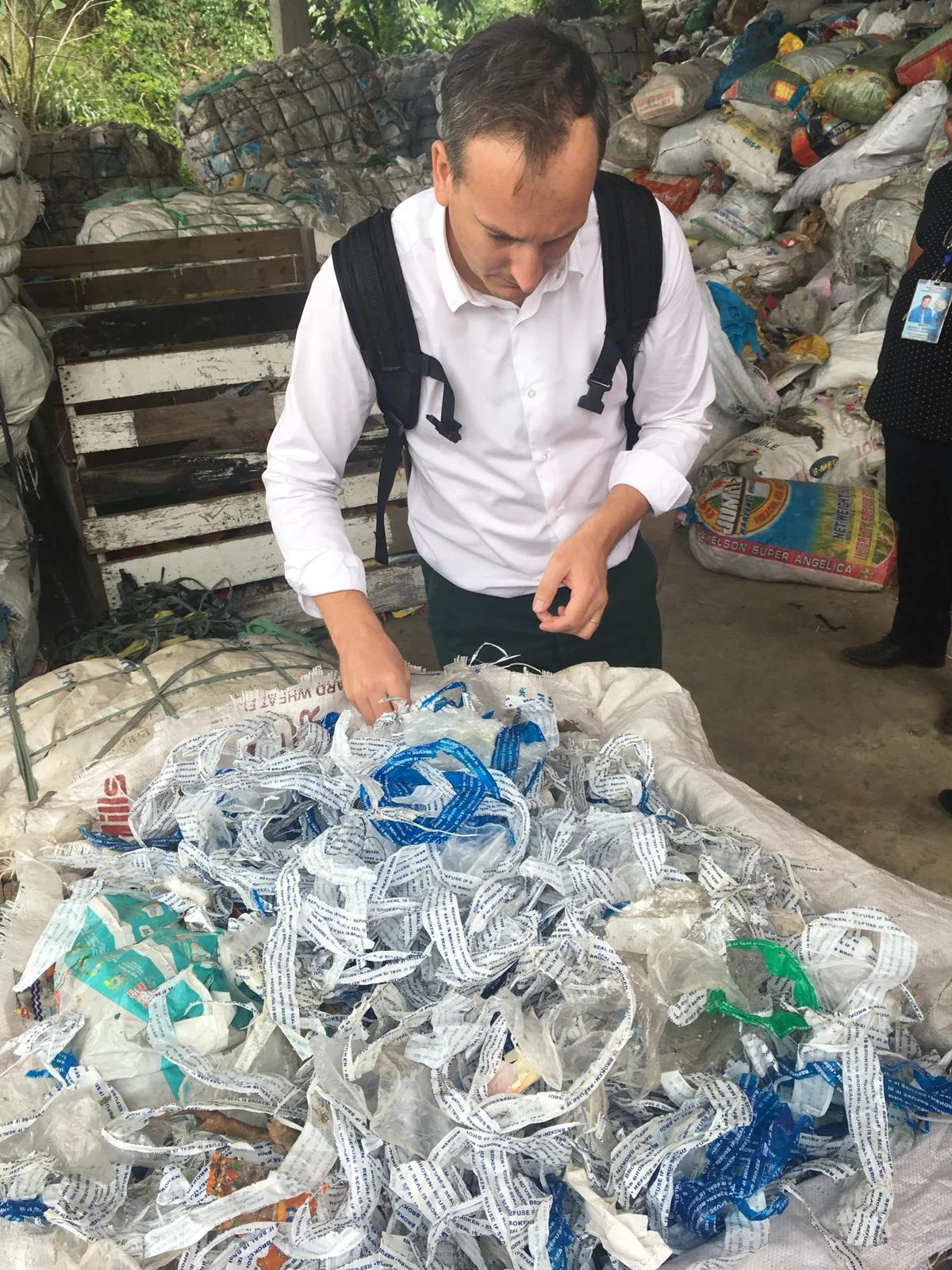
Items such as plastic sachets, shopping bags, and wrappers are lightweight and flexible, making them difficult to collect and process using conventional recycling systems.
These materials can also become tangled in sorting equipment, slowing down recycling operations.
Although recycling technologies continue to improve, flexible plastics remain one of the most challenging waste streams to manage.
4. Waste Segregation Starts at Home
Even the best recycling facility cannot efficiently recover materials if waste is already mixed together.
When recyclables are combined with food waste or other contaminants, the quality of recyclable materials decreases significantly.
Proper segregation at the source makes recycling faster, safer, and more effective.
This means every household, school, office, and business has a role to play in improving recycling outcomes.
5. Recycling Requires a Market
Collecting plastic is only one part of the solution.
For recycling to be sustainable, there must also be demand for products made from recycled materials.
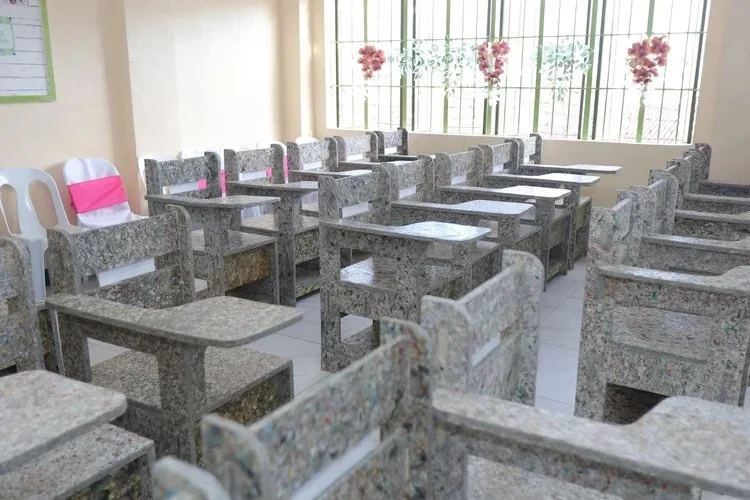
When businesses choose recycled products, such as construction materials, furniture, or logistics equipment, they help create a circular economy where plastic waste is continuously given a second life instead of being discarded.
Building a Circular Future Together
Recycling is more complex than many people realize, but that doesn't mean it's impossible.
By improving waste segregation, reducing contamination, supporting recycling infrastructure, and choosing products made from recycled materials, we can keep valuable resources in circulation and reduce plastic pollution.
At The Plastic Flamingo, we believe every piece of plastic has the potential for a second life. Through innovation and collaboration, we transform plastic waste into durable products such as EcoBoards, Circular Pallets, school chairs, and other sustainable solutions, proving that waste can become a valuable resource when given the right opportunity.
Together, we can move beyond simply managing waste and start building a truly circular economy.
Contact us to partner about Circularity!