
When Rain Moves Our Waste: What a Flooded Creek in Cainta Tells Us About Plastic Pollution
By The Plastic Flamingo | Christian Aaron Orot
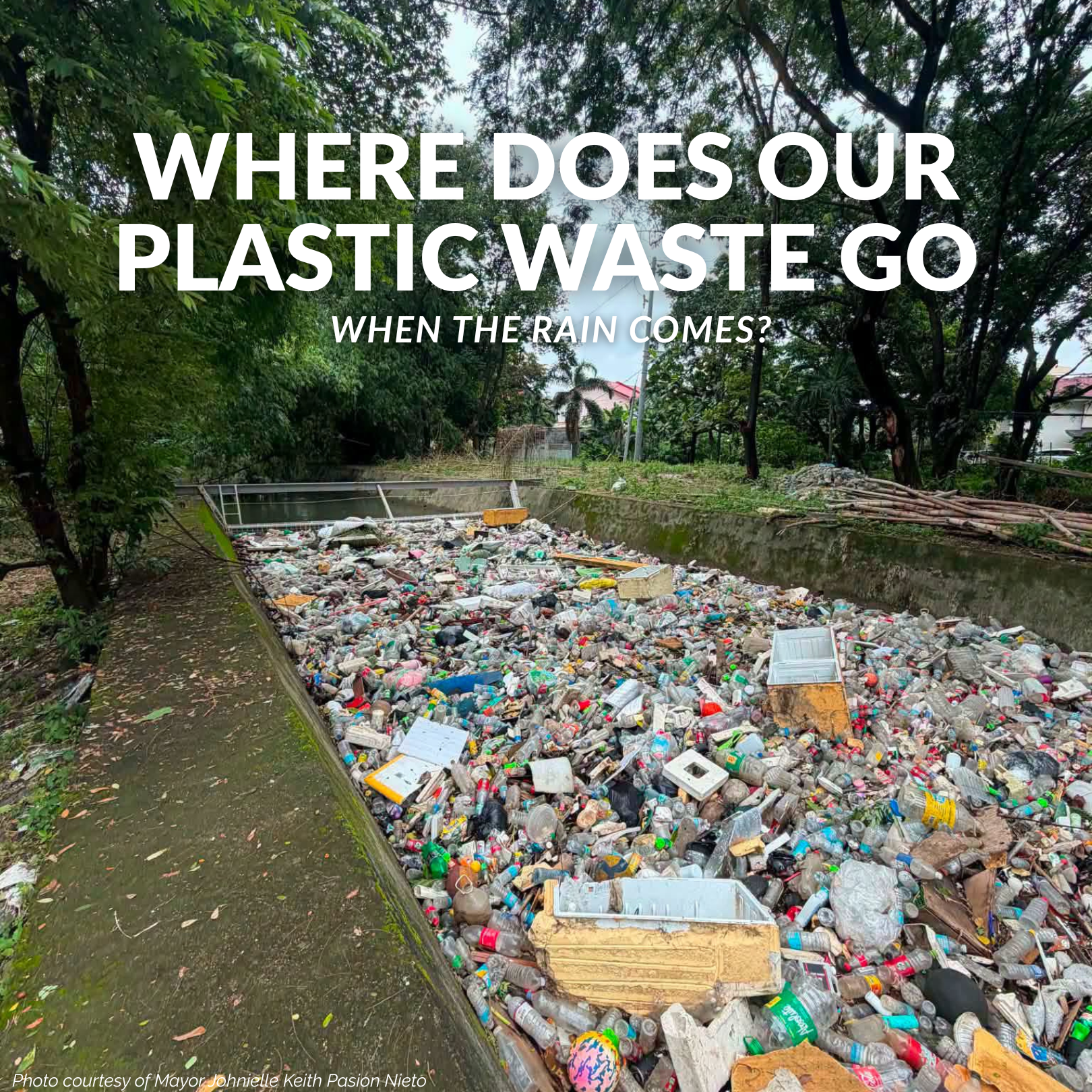
A creek in Cainta, Rizal was reported to be filled with plastic waste following continuous rain and flooding on August 10, 2026.
According to Cainta Mayor Kit Nieto, the accumulation was caused by the continuous rainfall and flooding. The local government also plans to deploy a river patrol team to monitor the creek and respond to waste accumulation.
The image is difficult to ignore.
But beyond the amount of waste we can see, there is a bigger environmental question worth asking:
Where does plastic waste go when it leaves our homes, businesses, and communities?
Plastic Waste Doesn't Disappear
When plastic is thrown away, it doesn't simply disappear.
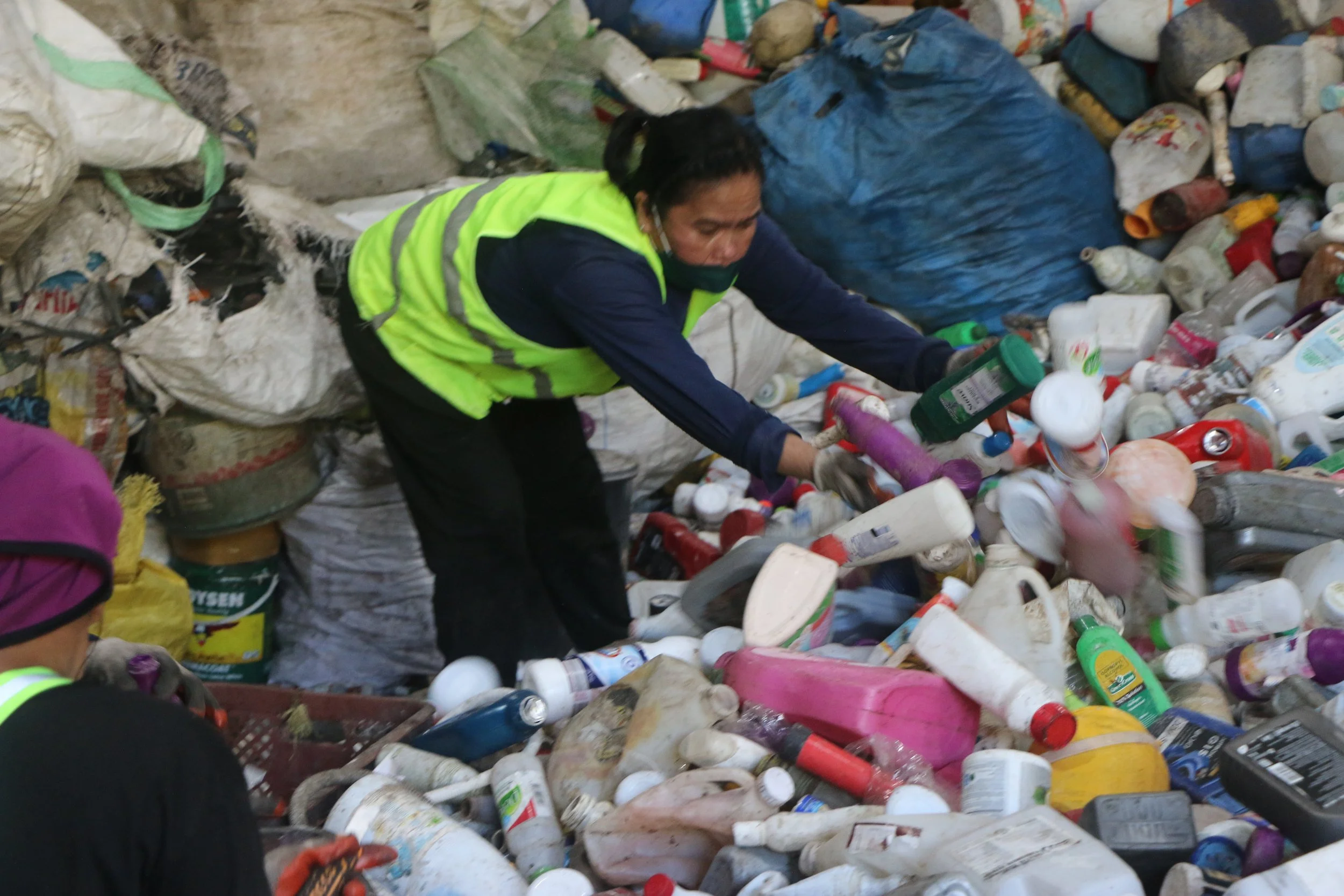
If it is properly collected and managed, it can be recovered, sorted, recycled, and transformed into new products.
But when waste escapes collection systems, it can enter drainage channels, creeks, and rivers.
Heavy rainfall and flooding can then move that waste from one location to another.
What starts as litter in one area can eventually become pollution somewhere much farther away.
Why Waterways Are Important
Creeks and rivers are more than channels for rainwater.
They are connected to larger ecosystems and communities. Waterways can eventually lead to larger rivers, wetlands, lakes, and coastal environments.
When plastic enters these systems, it can accumulate and remain in the environment for long periods.
Larger pieces of plastic can also break down into smaller fragments over time, creating an even more difficult pollution problem to manage.
This is why preventing plastic leakage is just as important as cleaning it up.
Recycling Is Part of the Solution
Recycling cannot solve plastic pollution on its own.
We still need proper waste segregation, collection systems, responsible consumption, and better waste management.
But recycling plays an important role because it gives recovered plastic another destination.
Instead of allowing usable plastic to become environmental waste, it can be processed and transformed into products that can remain in use.
At The Plastic Flamingo, this is what we work toward every day.
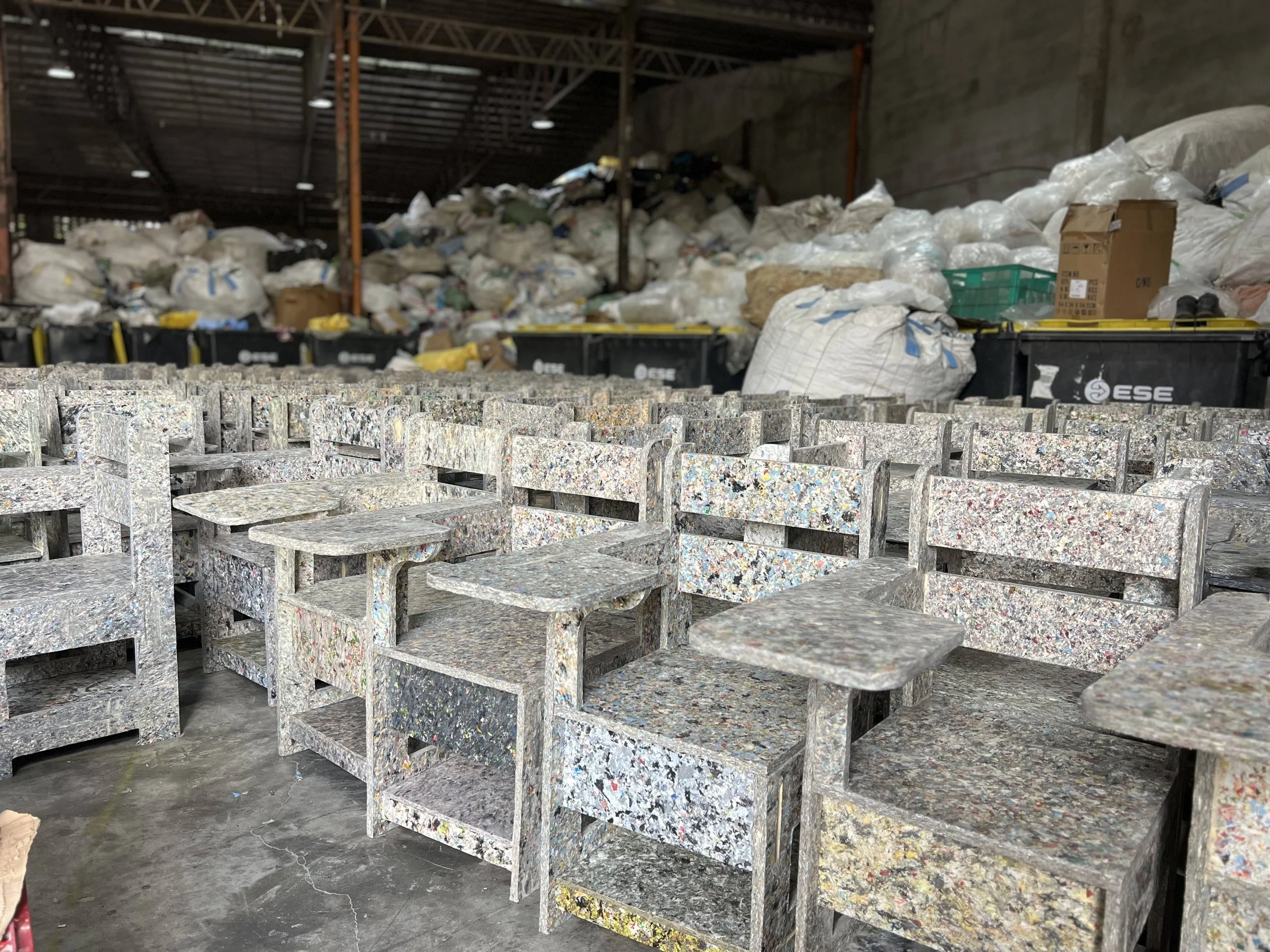
We collect and process plastic waste and transform it into durable products such as EcoBoards, school chairs, Circular Pallets, bins, and other recycled plastic solutions.
The goal is simple:
Keep plastic in circulation and out of the environment.
Prevention Is Better Than Cleanup
Cleanup operations are important, especially when flooding brings waste into waterways.
But we should also look further upstream.
How was the waste collected?
Was it properly segregated?
Could it have been recovered?
Could it have been recycled?
Could it have been prevented from entering the waterway in the first place?
These questions are important because long-term solutions require more than simply removing waste after it accumulates.
What Can We Do?
Plastic pollution is a system-wide problem, which means everyone has a role to play.
Individuals can:
Reduce unnecessary single-use plastics.
Properly segregate recyclable materials.
Keep recyclable plastics clean and dry when required by collection programs.
Use established collection and recycling channels.
Avoid littering and illegal dumping.
Businesses can go further by:
Improving waste segregation within their facilities.
Supporting plastic recovery initiatives.
Choosing products made from recycled materials.
Designing sustainability programs that create measurable environmental impact.
Working with recycling partners to keep materials in circulation.
From Waste to Resource
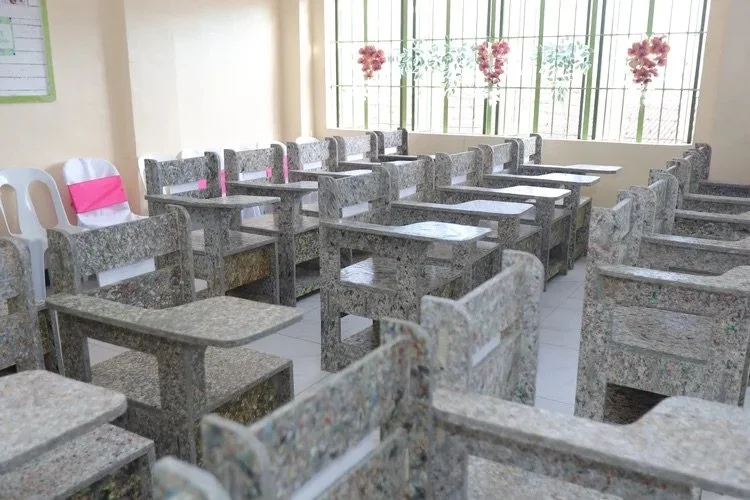
The image from Cainta is a reminder of what can happen when plastic escapes the systems designed to manage it.
But it can also remind us that plastic waste has another possible destination.
It can be recovered.
It can be recycled.
And it can become something useful again.
At The Plastic Flamingo, we believe the future of plastic shouldn't end in a creek, a landfill, or the ocean. It should have a second life.
Because preventing plastic pollution isn't only about cleaning up what we can see.
It's about creating systems that keep waste from reaching our waterways in the first place.
Partner with us! Contact us and tell us your project and CSR initiative!