
Building a More Sustainable Logistics Industry : What Businesses Can Do About It
Blog created by: The Plastic Flamingo | Christian Aaron Orot
Every product we use has a journey.
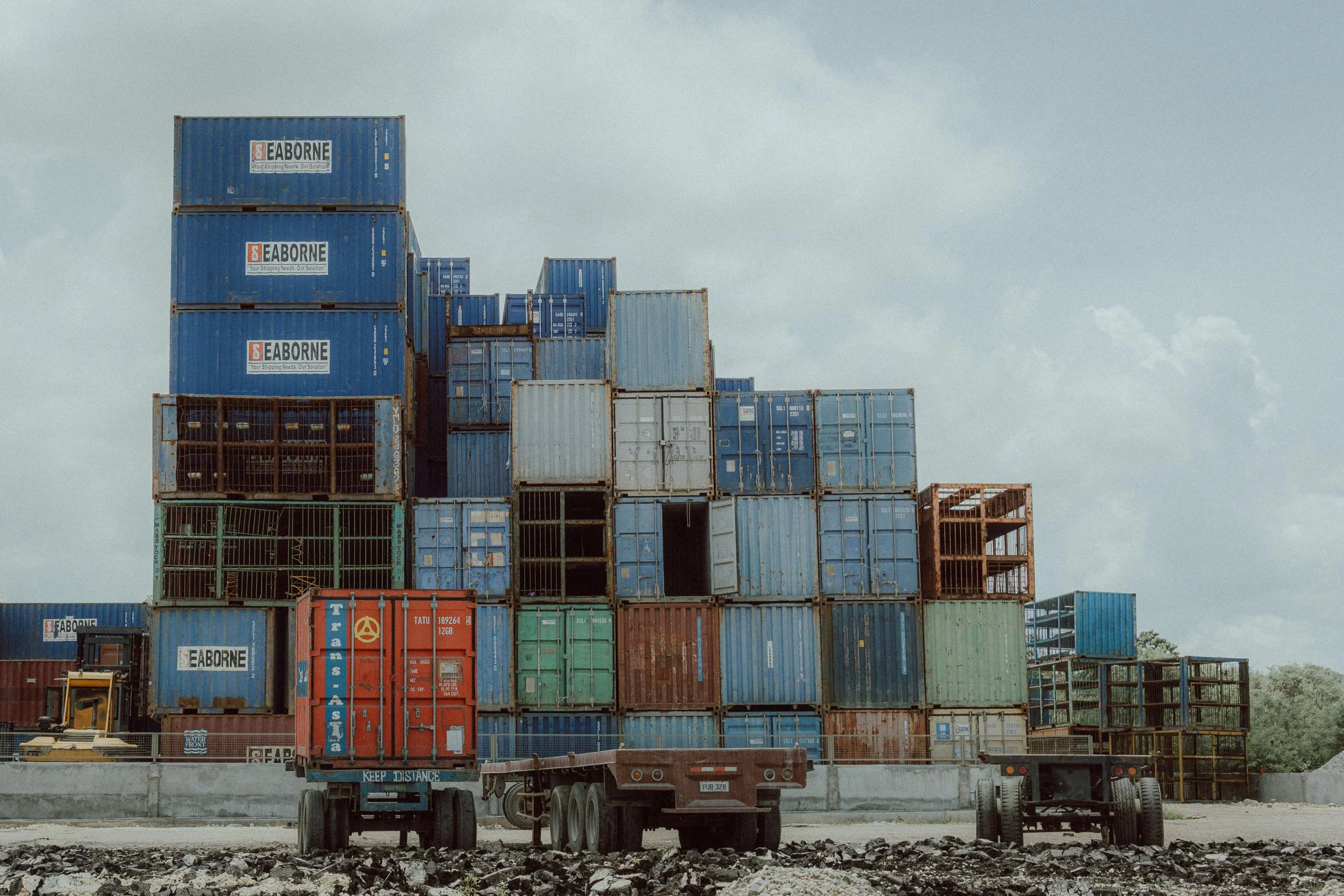
From the food on our tables to the packages arriving at our doorstep, nearly everything passes through warehouses, trucks, ships, ports, and distribution centers before reaching its final destination. This vast network is what keeps economies moving, making logistics one of the world's most essential industries.
But with this scale comes a significant environmental challenge.
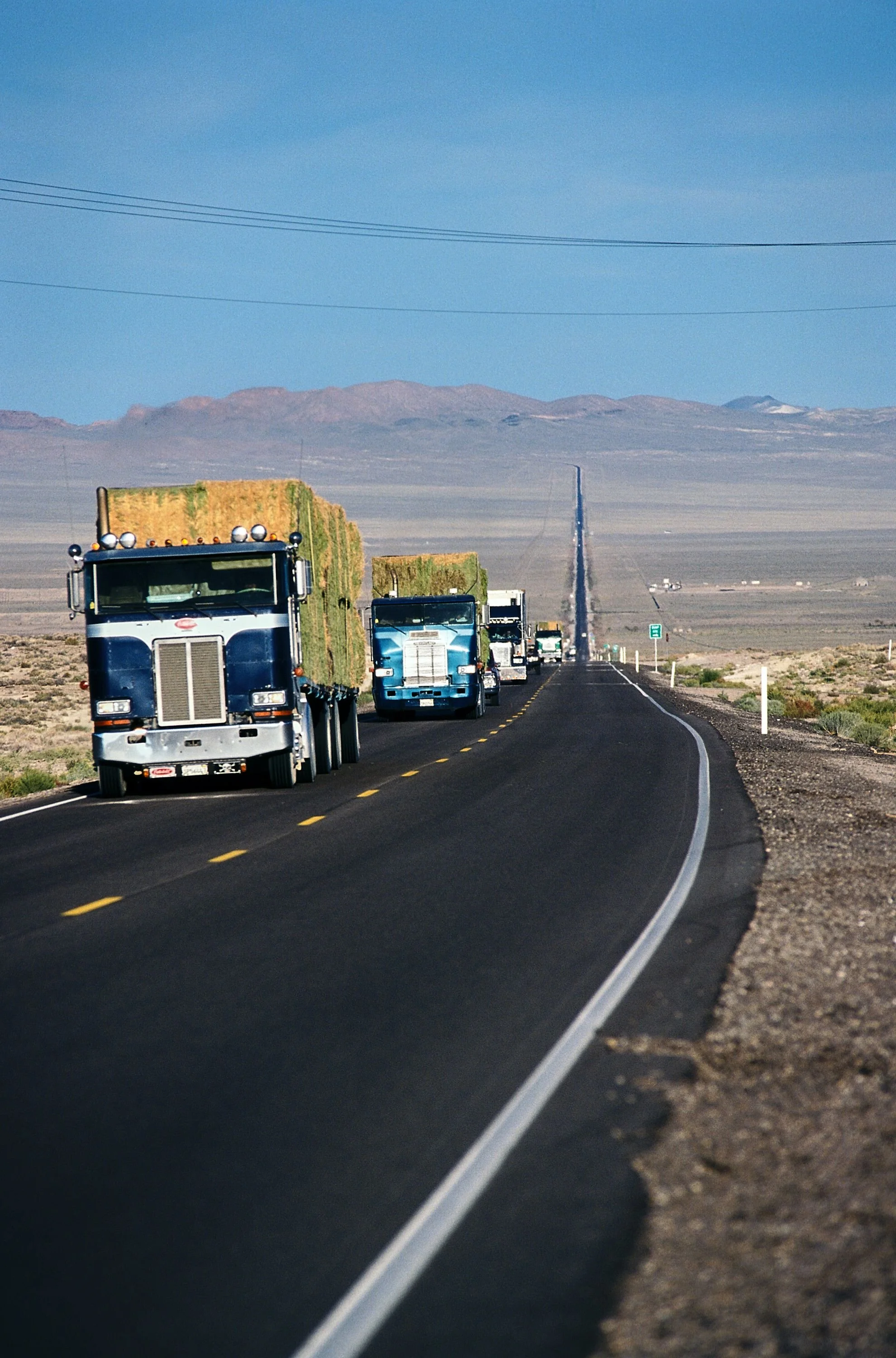
The logistics sector is responsible for a considerable share of global greenhouse gas emissions, largely due to transportation, warehousing, packaging, and material handling. As supply chains continue to expand to meet growing demand, businesses are under increasing pressure to improve efficiency while reducing their environmental footprint.
The good news? Sustainability in logistics isn't just about reducing emissions from vehicles. It also involves rethinking the everyday materials and equipment used throughout the supply chain.
Where Does the Environmental Impact Come From?
When people think about logistics emissions, trucks and cargo ships are often the first things that come to mind. While transportation is a major contributor, it's only part of the picture.
Warehouses consume significant amounts of energy to operate. Packaging materials often become waste after a single use. Wooden pallets, when frequently damaged or replaced, increase the demand for timber, contributing to continuous tree harvesting while also generating additional waste throughout their lifecycle.
These seemingly small operational decisions, multiplied across thousands of warehouses and millions of shipments, create a substantial environmental impact.
Why Circularity Matters in Logistics
One of the most effective ways businesses can reduce waste is by embracing circularity.
Unlike the traditional "take, make, dispose" model, a circular economy focuses on keeping materials in use for as long as possible through reuse, recycling, repair, and remanufacturing.

For logistics operations, this means looking beyond transportation and considering the products that support daily operations, from storage systems to handling equipment and pallets.
Choosing durable products made from recycled materials helps extend the life of valuable resources while reducing demand for virgin materials.
Small Changes Can Create Big Impact
Many sustainability initiatives begin with large investments, but meaningful improvements often start with everyday operational choices.
Questions businesses can ask include:
Can this product be reused instead of replaced?
Is this material made from recycled content?
Will this solution last longer than conventional alternatives?
Can this help reduce operational waste over time?
These decisions may seem small individually, but across an entire warehouse network, they contribute to measurable environmental and operational benefits.
Circular Solutions for Modern Warehouses
As more companies strengthen their sustainability commitments, there is growing demand for products that combine performance with environmental responsibility.
At The Plastic Flamingo, we believe circularity should never come at the expense of reliability.
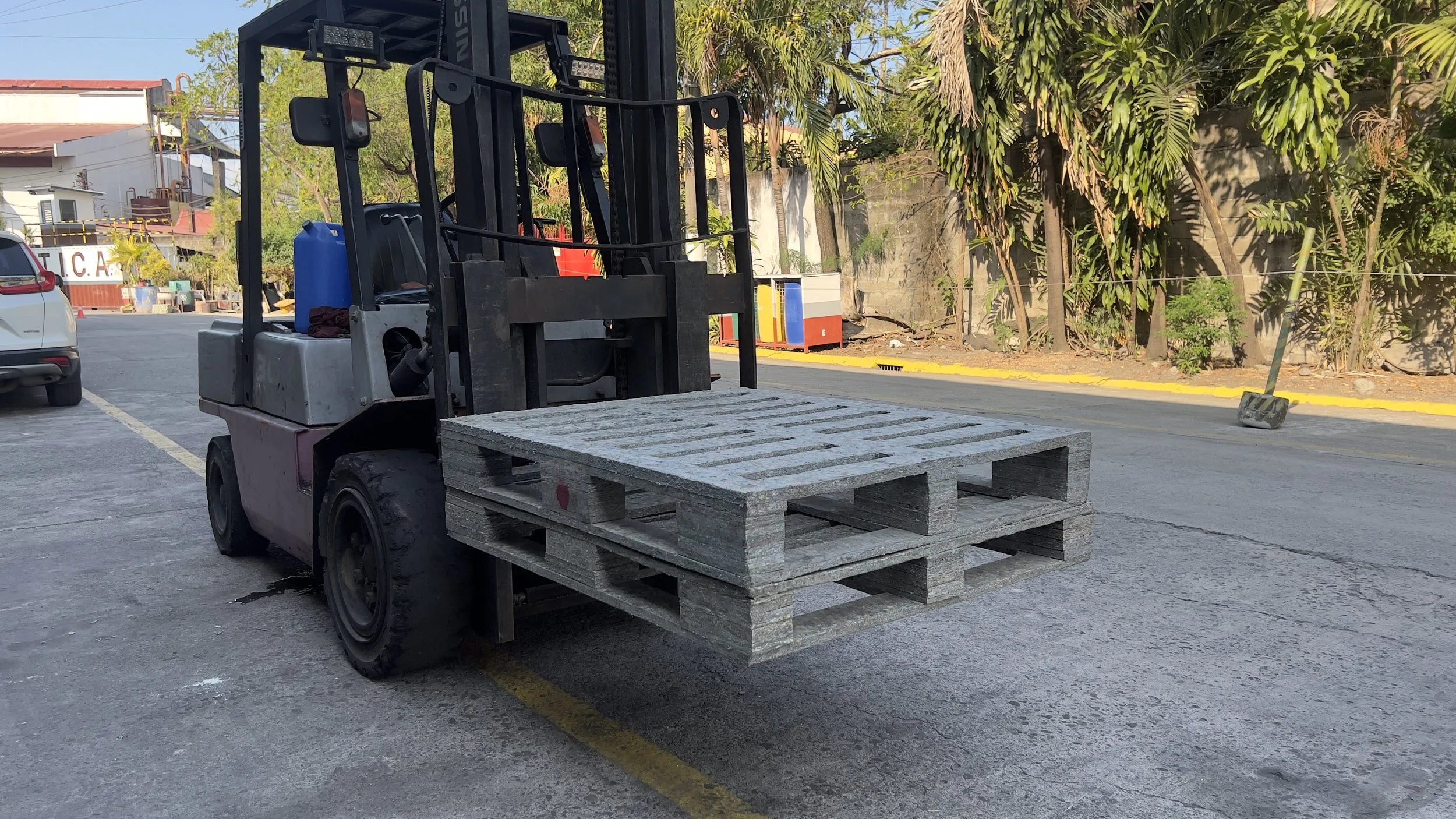
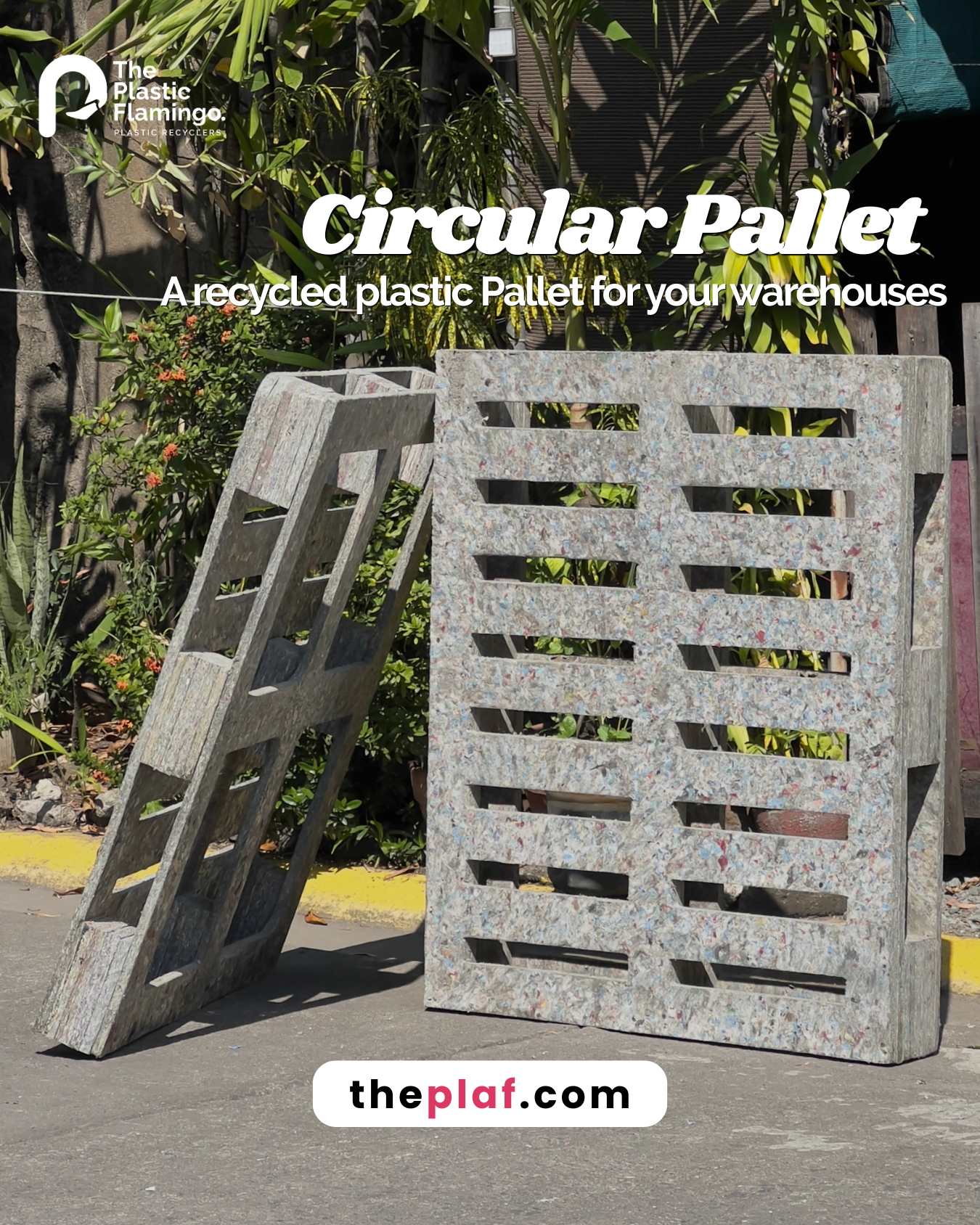
That's why we developed the Circular Pallet, a durable logistics pallet manufactured from 100% recycled plastic waste. Designed for real warehouse operations, it delivers the strength businesses need while giving discarded plastic a second life.
By choosing circular alternatives, companies can reduce plastic waste, support their sustainability goals, and demonstrate that environmental responsibility can be integrated into everyday operations.
Building More Sustainable Supply Chains
The future of logistics isn't simply about moving products more efficiently, it's about moving them more responsibly.
Every business has an opportunity to make smarter choices, whether through waste reduction, material selection, or adopting circular solutions that help keep valuable resources in use.
As sustainability becomes an increasingly important part of business strategy, the companies that act today will be better positioned to meet tomorrow's environmental expectations while building more resilient supply chains.
If your organization is exploring ways to make warehouse operations more sustainable, we'd love to start the conversation.
Discover how our Circular Pallet can help your business combine performance with sustainability.
Switch now to Circularity!
If your are interested, simply email us and check our website! Go directly to this page! Circular Pallet.