
By The Plastic Flaming | Christian Aaron Orot
The Hidden Reality in Philippine Classrooms
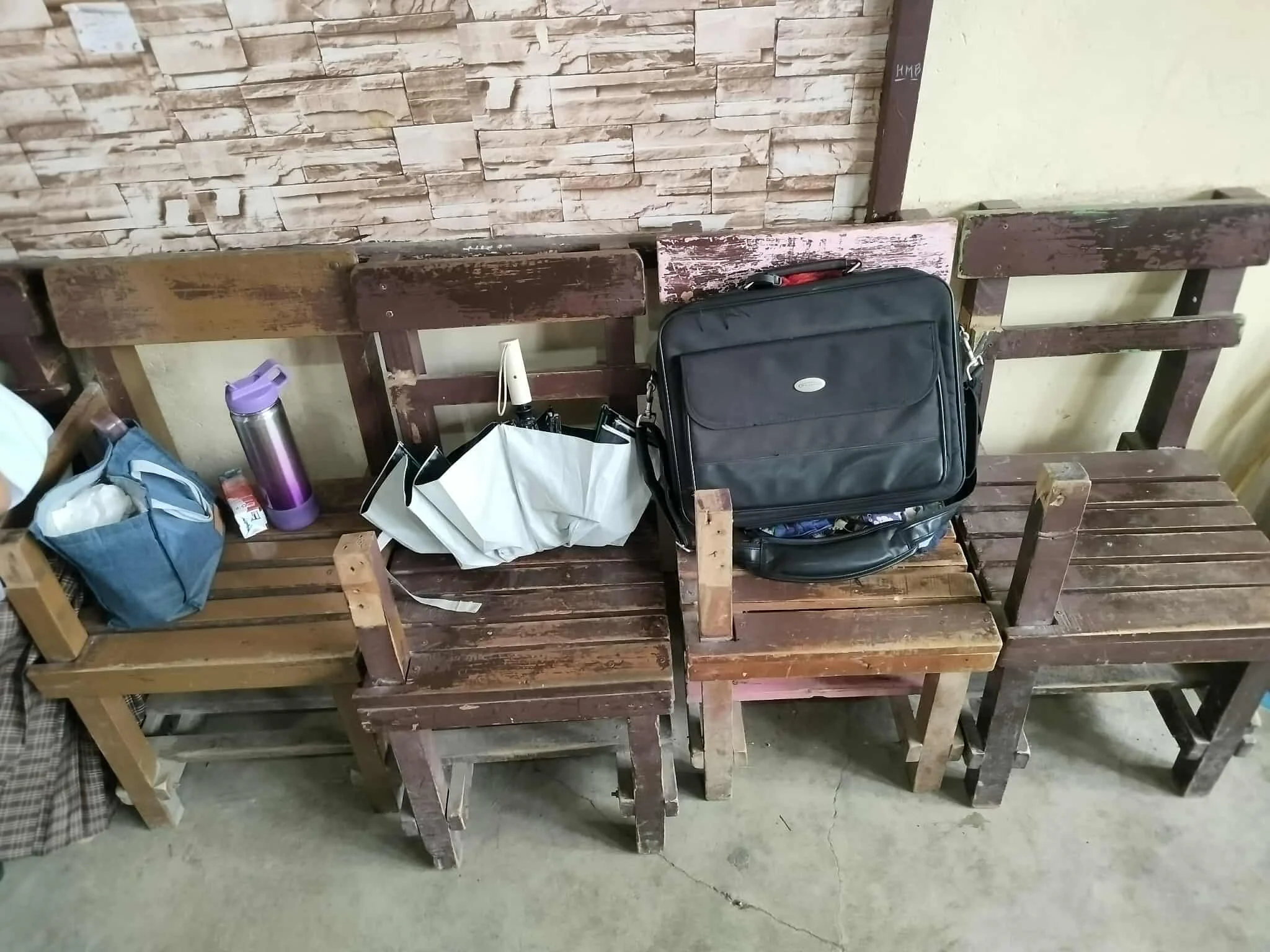
Walk into a public school during peak enrollment season, and you might notice something heartbreaking before you even hear the lesson.
In many overcrowded classrooms across the Philippines, students are seated not at proper desks, but on cold concrete floors, squeezed three to a bench, or sitting directly in the aisles. These students are known as "aisle learners", children whose daily learning environment is defined by uncomfortable, makeshift seating due to a severe shortage of basic classroom furniture.
When we talk about the education crisis in the Philippines, discussions often center on curriculum reform, textbook availability, and digital access. While these are critical, basic infrastructure, specifically having a sturdy, comfortable desk to write on, is frequently overlooked. Yet, physical classroom conditions directly impact a child's concentration, posture, dignity, and long-term academic engagement.
How Lack of Seating Harms Student Learning
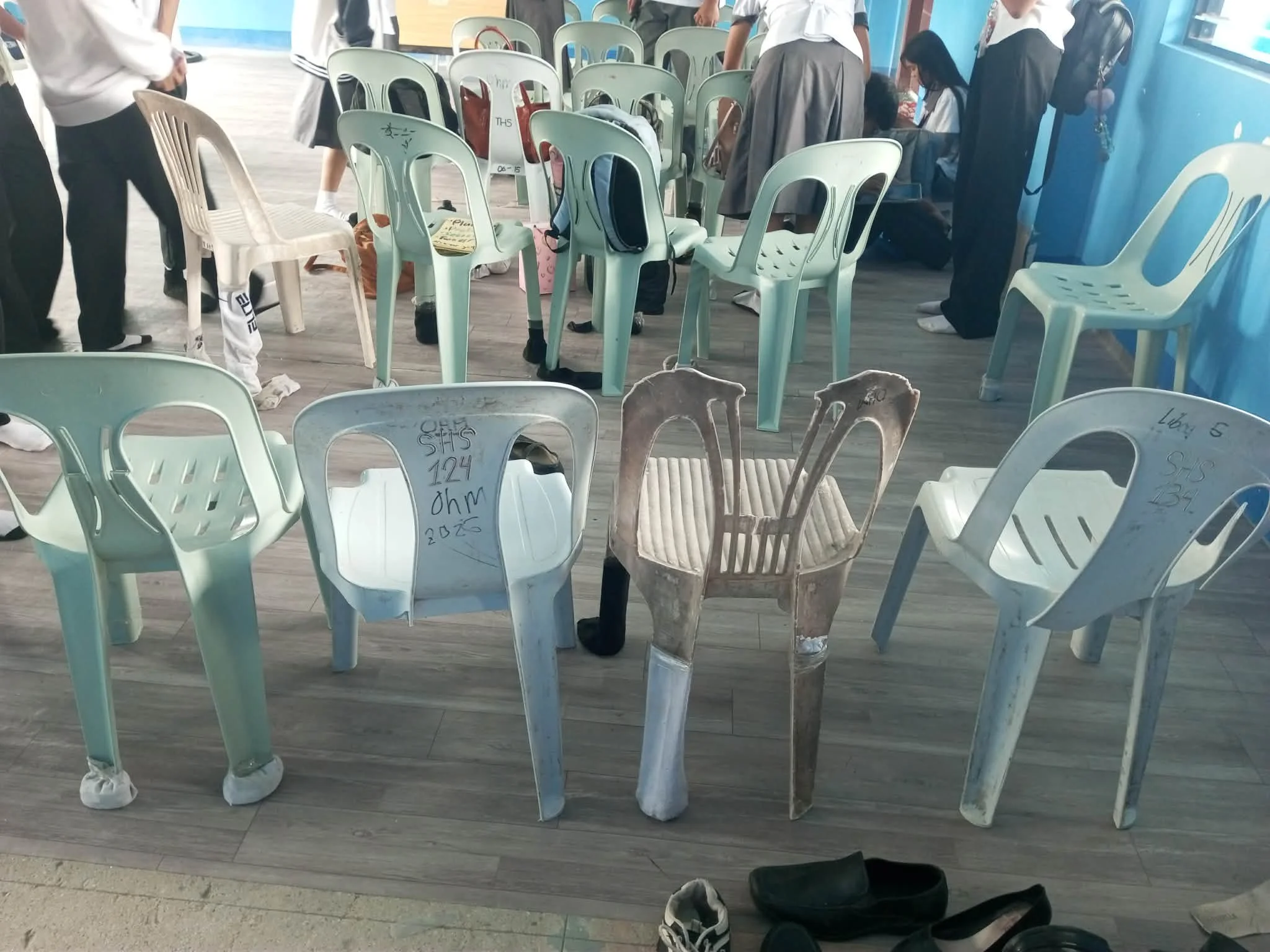
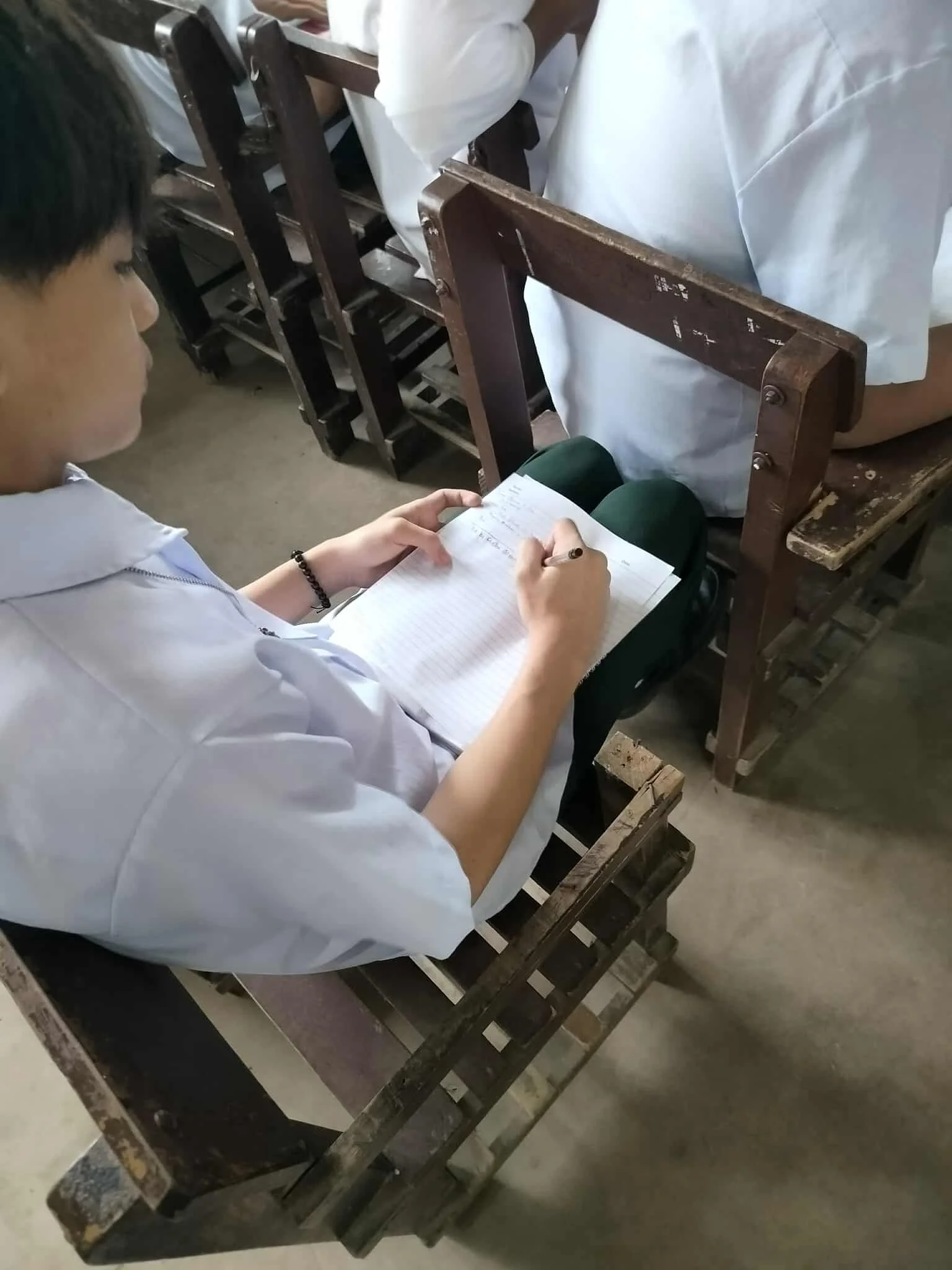
The lack of proper classroom furniture isn't just an inconvenience; it creates systemic barriers to quality education:
Physical Strain and Discomfort: Sitting on unyielding floors or slouched over shared benches causes physical discomfort, leading to fatigue, poor posture, and difficulty focusing during long school days.
Loss of Personal Learning Space: A dedicated chair and desk give a child a sense of ownership, focus, and dignity within the classroom. Without it, handwriting practice and sustained attention become daily struggles.
Higher Absenteeism: Uncomfortable and under-resourced learning environments contribute to lower student morale and higher rates of absenteeism, particularly in underfunded public schools.
The Dual Challenge: Infrastructure Deficits and Plastic Pollution
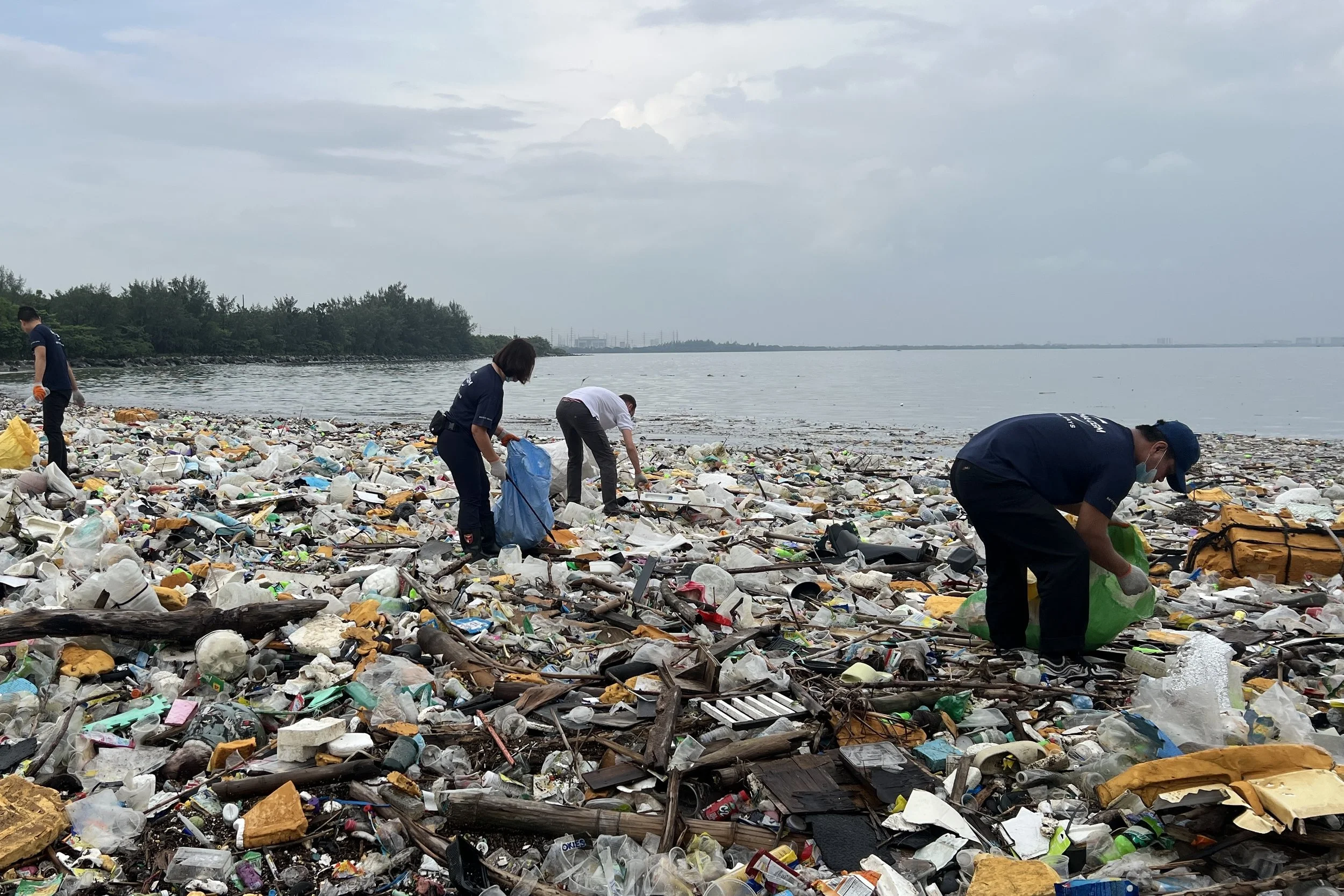
At the same time our public schools face severe infrastructure shortages, the Philippines grapples with another critical challenge: plastic waste pollution. Millions of single-use sachets, plastic packaging, and discarded bottles end up in landfills, waterways, and marine ecosystems every day.
What if the solution to one crisis could directly solve the other?
At The Plaf, we believe that plastic waste shouldn't be left to pollute our environment when it can be transformed into lasting educational infrastructure.
Turning Plastic Waste into Chairs of Hope
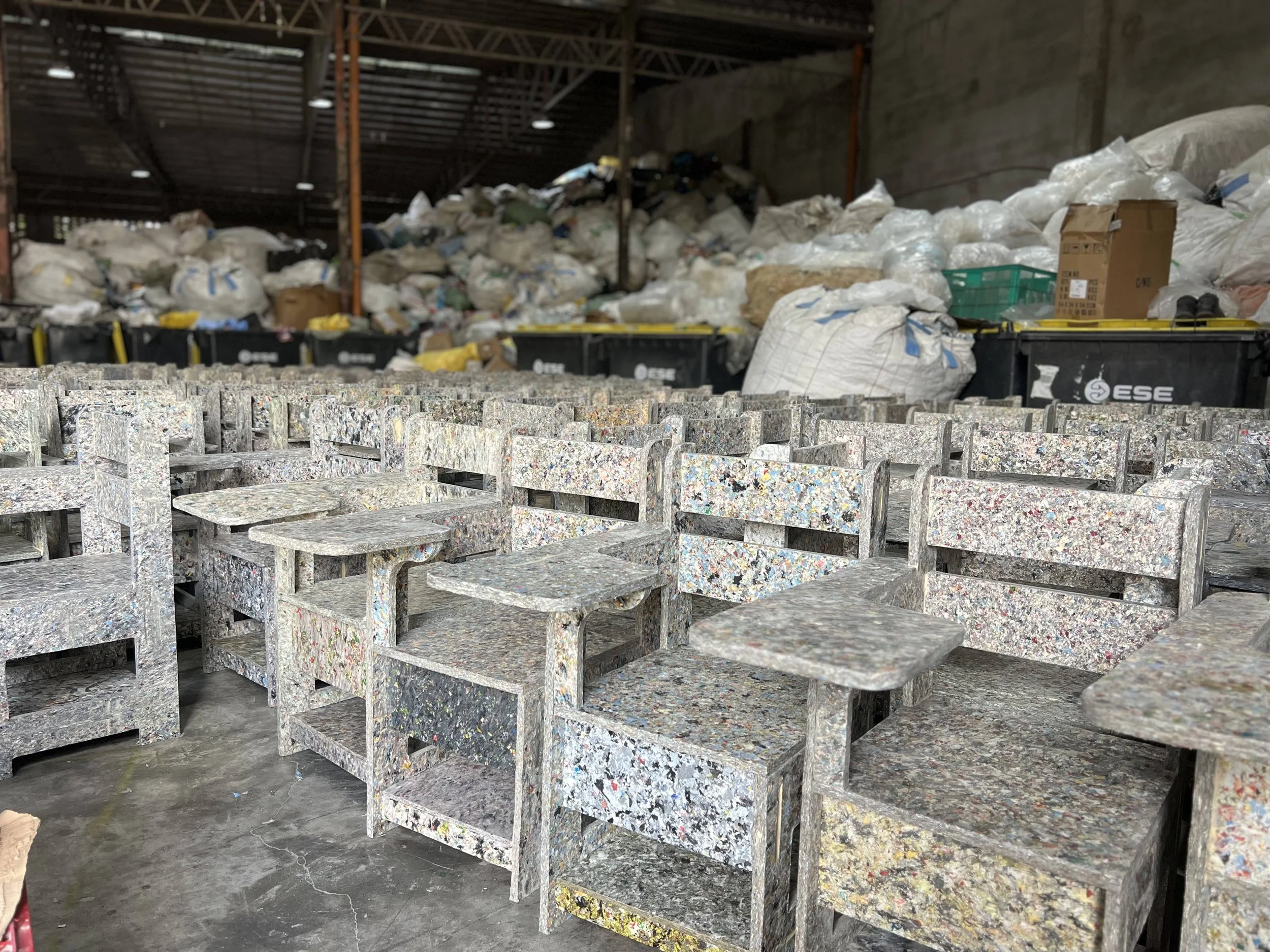
Through The Plaf's School Chair Program, we collect hard-to-recycle plastic waste, including post-consumer packaging and sachets, and process it at our facility in Muntinlupa City. Through sorting, cleaning, shredding, compression, and assembling, we turn discarded plastic into 100% recycled plastic school chairs.
Each recycled plastic school chair:
Diverts Thousands of Sachets: Turns hard-to-recycle plastic waste into functional classroom furniture.
Built to Last Generations: Unlike traditional wooden or plastic chairs that crack, rot, or break easily, our chairs are waterproof, termite-proof, splinter-free, and incredibly durable.
Restores Dignity to Students: Provides aisle learners with a permanent, comfortable seat of their own so they can focus on their education.
To date, The Plaf has deployed over 6,300+ recycled plastic school chairs to public schools across the Philippines, supported by corporate partners, NGOs, and community drives.
How Businesses and Partners Can Make a Difference
Solving the classroom infrastructure deficit requires collective action. Corporations looking to drive real, measurable social and environmental impact can support our mission through:
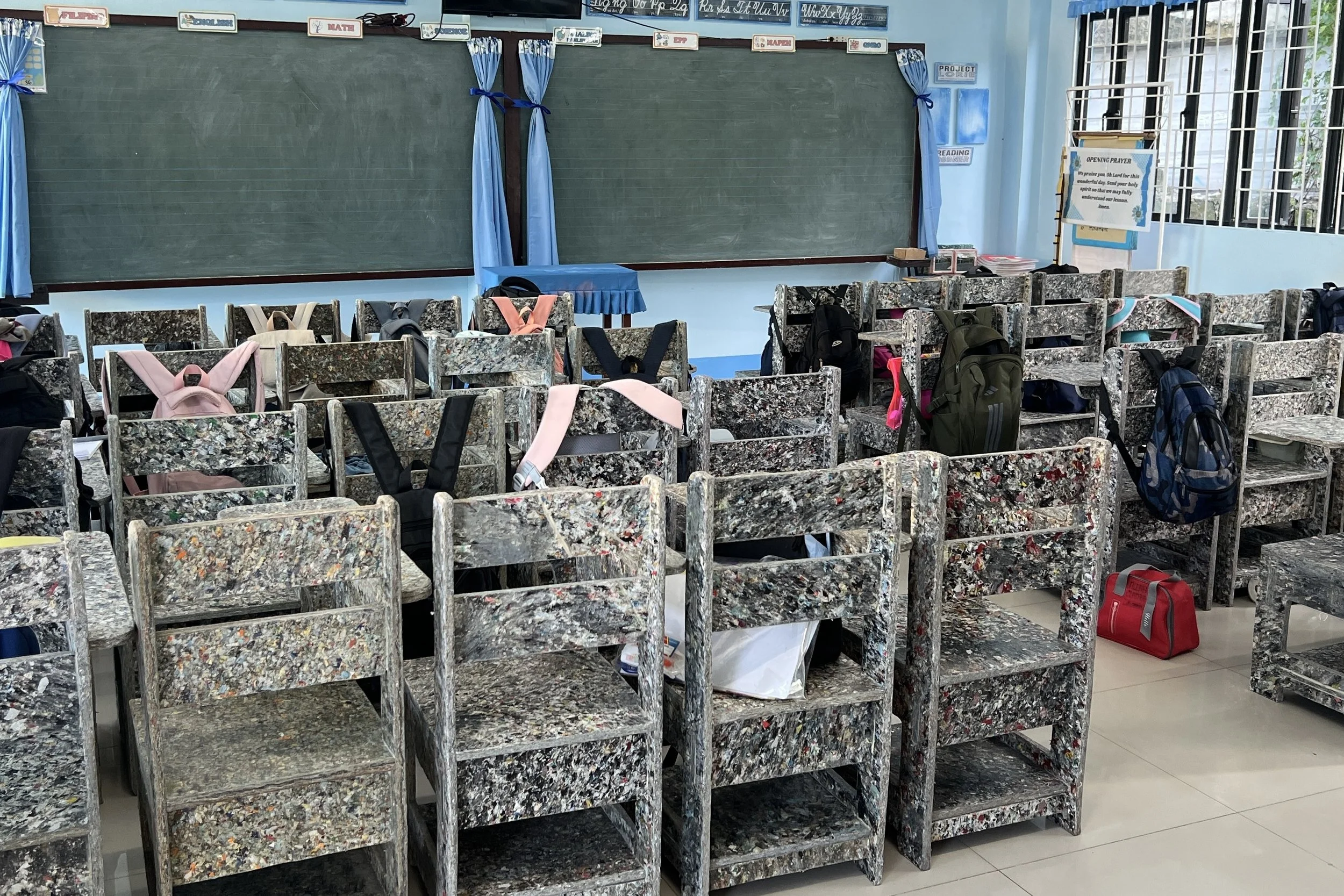
Sponsoring a School Chair Drive: Partner with us for your Corporate Social Responsibility (CSR) or Extended Producer Responsibility (EPR) initiatives by sponsoring recycled plastic school chairs for under-resourced public schools.
Organizing Plastic Collection Drives: Engage your employees and office spaces to collect clean, dry plastic waste that feeds directly into our recycling process.
Purchasing Circular Products: Choose The Plaf Eco-Boards and Eco-Bins for your company's construction, and interior needs, directly funding our social recycling operations.
Every student deserves a proper place to sit, learn, and thrive. By turning plastic waste into classroom furniture, we aren't just cleaning up our environment, we are building a stronger, more equitable foundation for Philippine education.
Interested in sponsoring school chairs or partnering with us for your CSR initiatives?
📩 Contact us at hello@theplaf.com or visit www.theplaf.com/school-chair-program to learn how your organization can help turn waste into chairs of hope.
