
From Plastic Waste to Lasting Impact: The Plaf’s Q3 2026 Highlights
By The Plastic Flamingo | Christian Aaron Orot
Turning Plastic Recovery into Meaningful Change
At The Plastic Flamingo (The Plaf), we believe that addressing plastic pollution requires more than collecting waste. It means building a system where discarded plastic becomes a valuable resource, innovative products create practical solutions, and the people behind the process receive opportunities to thrive.
As of September 2026, we have collected and recycled 1,452,675 kilograms of plastic waste since beginning our journey in 2018. During the third quarter, our facility continued operating at full capacity as we strengthened our efforts to transform plastic waste into durable, useful products that support a more circular economy.
Behind every kilogram recovered is a network of dedicated employees, committed partners, and communities working toward a more sustainable future. Here is a look at what we accomplished together in Q3 2026.
Advancing the Circular Economy Through Recycled Products
A circular economy works by keeping resources in use for as long as possible. At The Plaf, we turn recovered plastic into materials and products that can serve practical needs while helping reduce dependence on virgin resources.
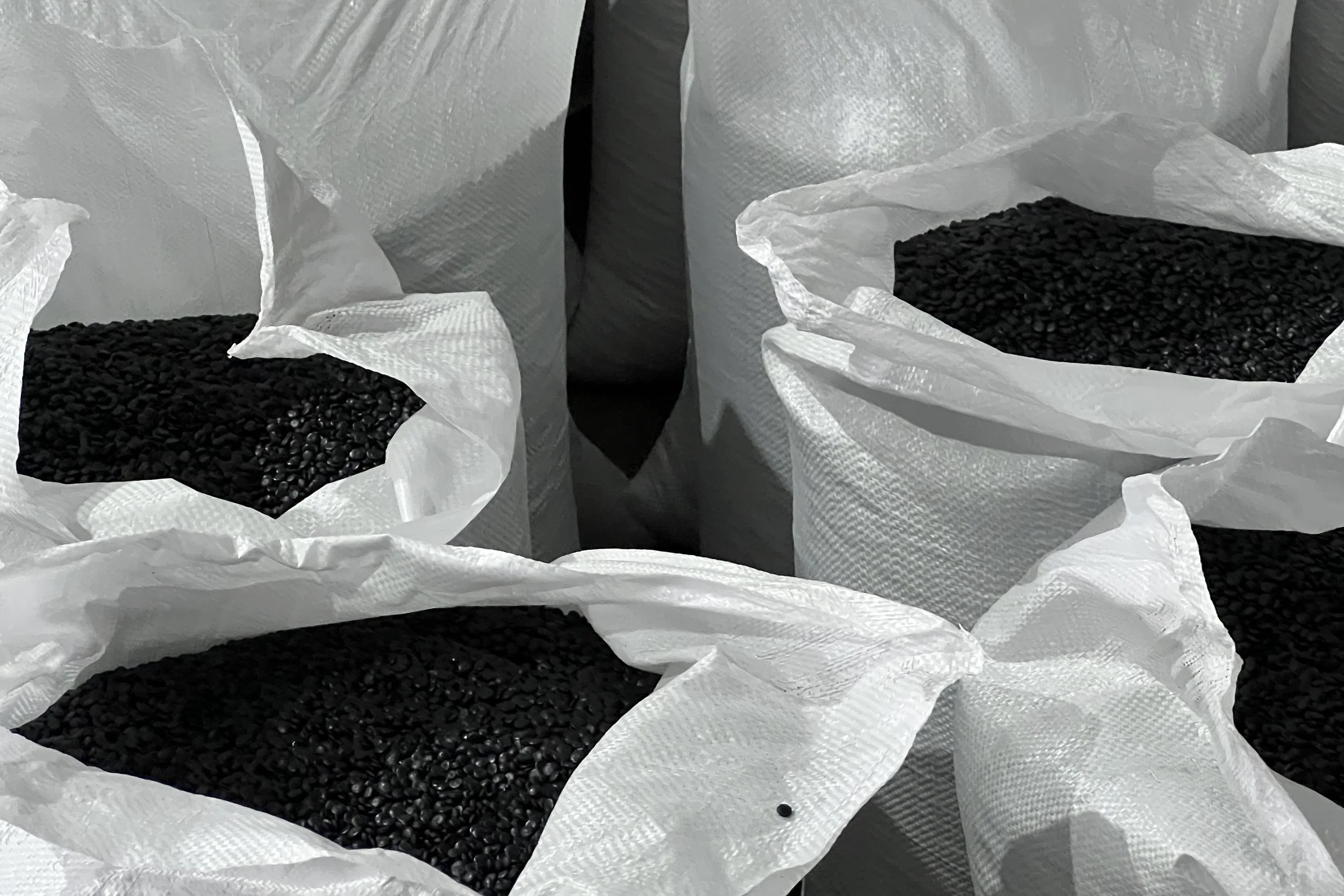
Recycled HDPE (rHDPE) Granules
Our rHDPE granules offer manufacturers an alternative to virgin plastic resin for various plastic manufacturing applications, including plastic packaging production. By creating a market for recycled materials, we help strengthen the demand needed to support a more circular plastics industry.
Eco-Boards: Building Blocks for Circular Design
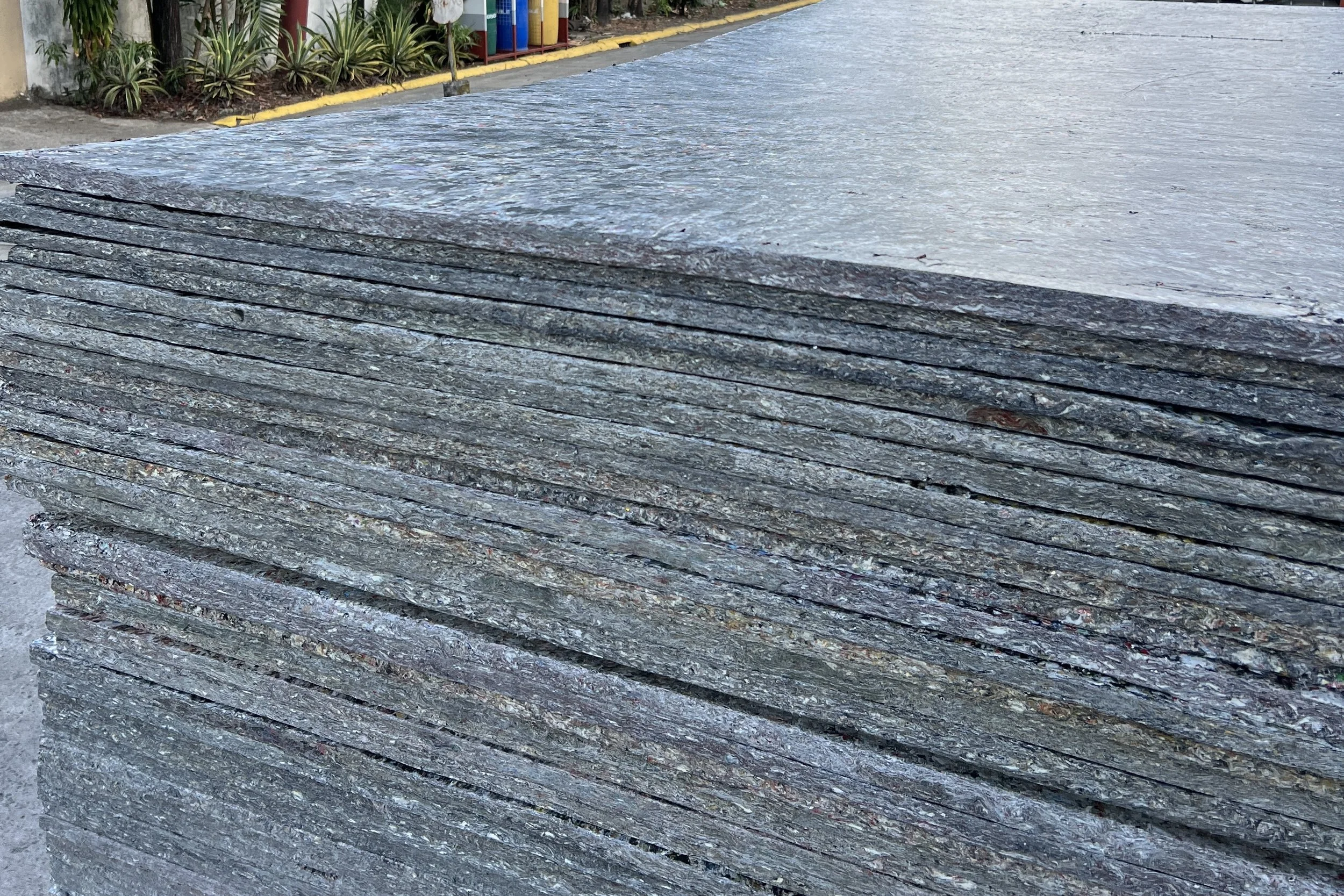
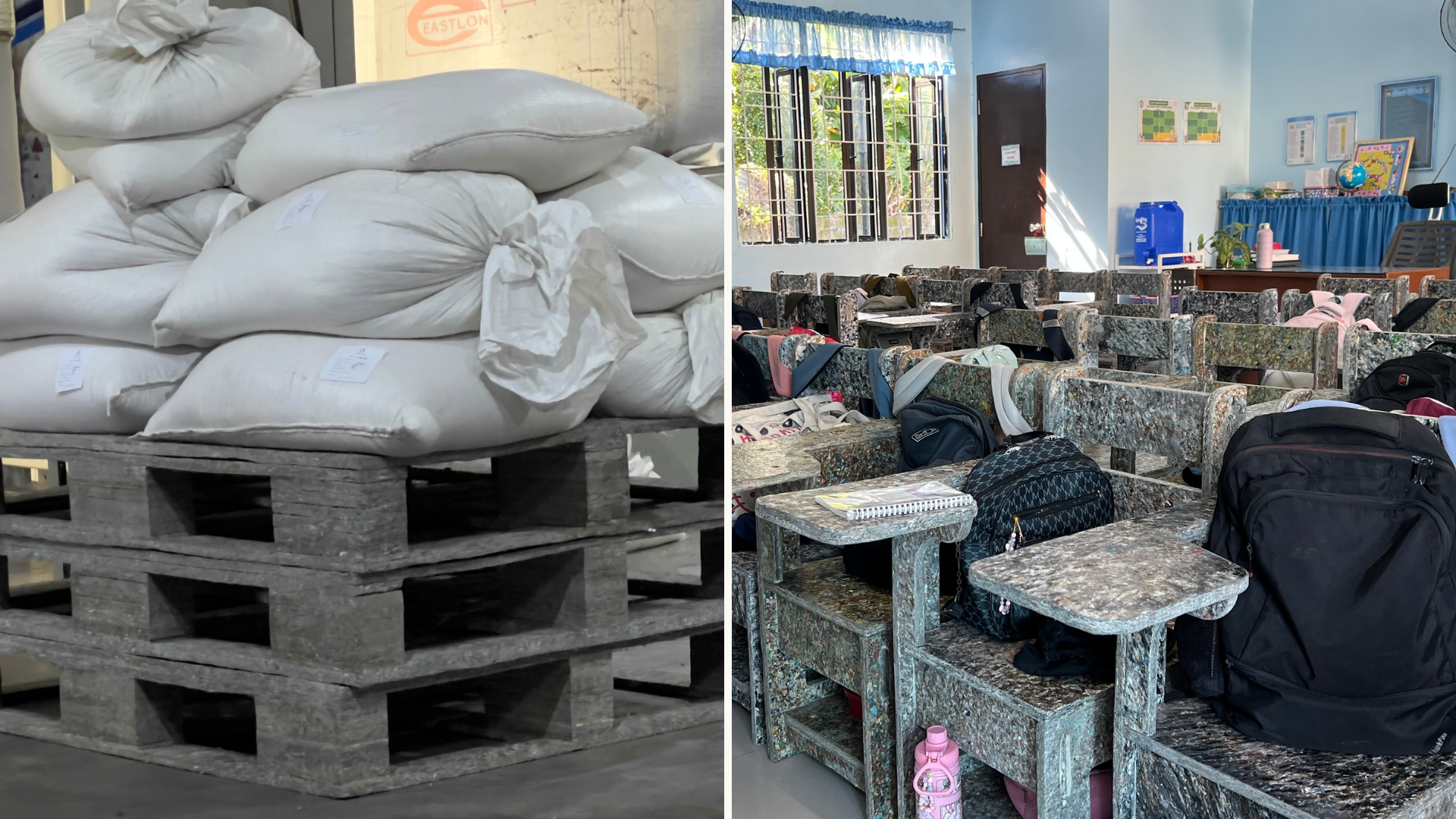
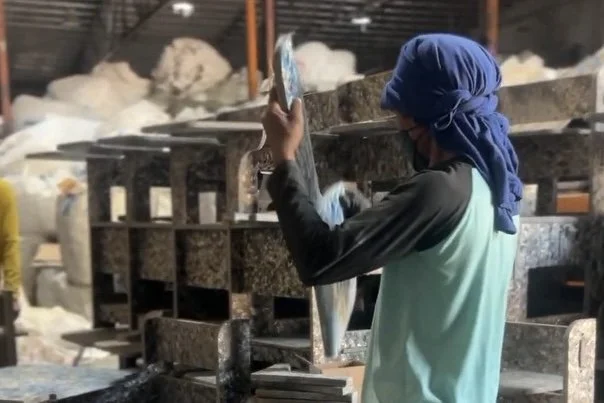
Made entirely from recycled plastic waste, our Eco-Boards serve as raw materials for products such as Plaf School Chairs and Circular Pallets. They are also available as an alternative to plywood and other boards, helping create more opportunities to reuse plastic waste in practical applications.
Plaf School Chairs and Circular Pallets
Our Plaf School Chairs continue to address two important challenges: plastic pollution and the shortage of school furniture in the Philippines. Meanwhile, our Circular Pallets offer a recycled-plastic alternative for logistics and storage applications, supporting more sustainable material choices across supply chains.
As we continue developing our existing product lines, we are also preparing additional recycled plastic products to expand the ways recovered materials can be put to use.
Investing in Our People: 50 Lives Uplifted
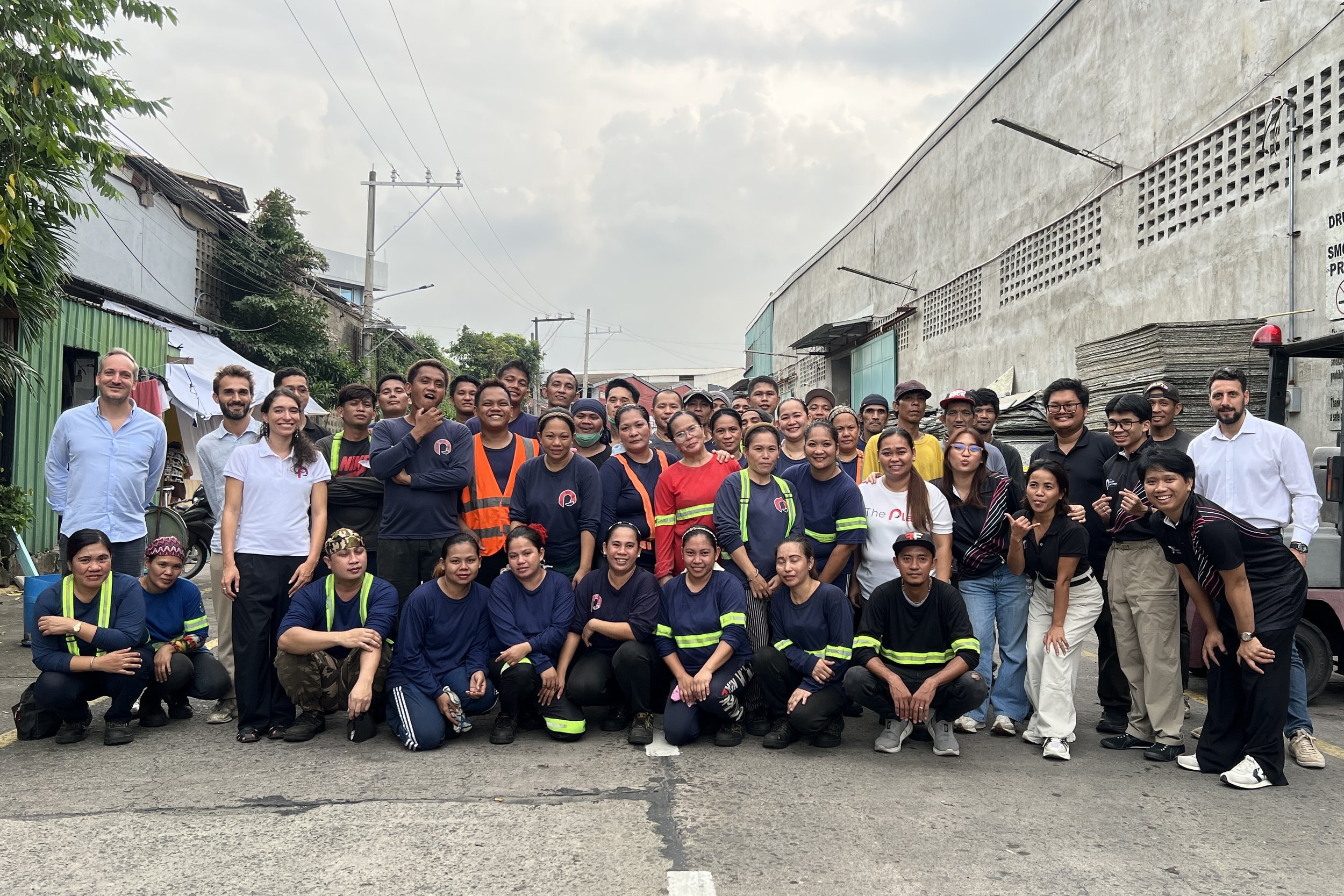
A sustainable recycling system depends on the people who make it possible. The Plaf is proud to be powered by a team of 50 employees whose work drives our mission forward.
We believe that creating environmental impact must go hand in hand with caring for our workforce. Our employee support programs include:
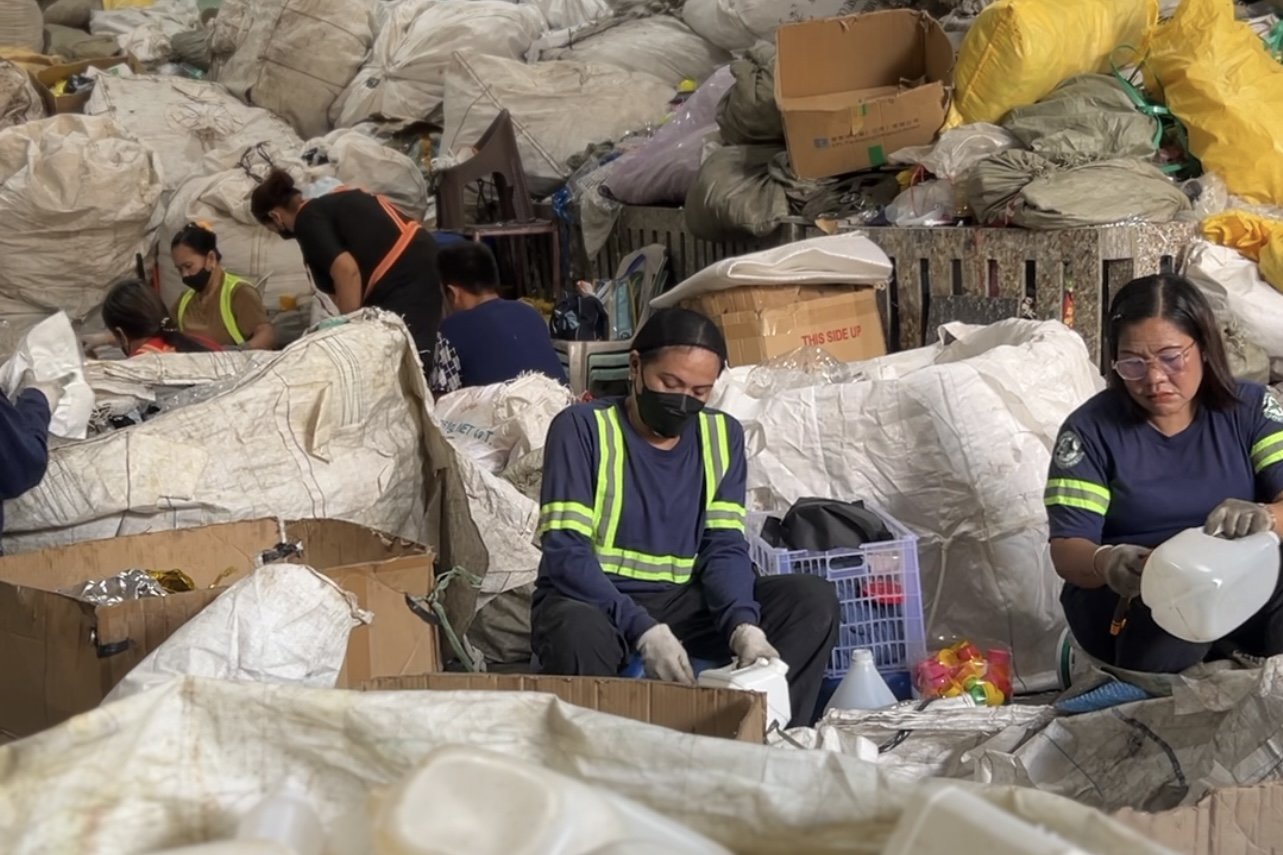
Education: Child Scholarship Program.
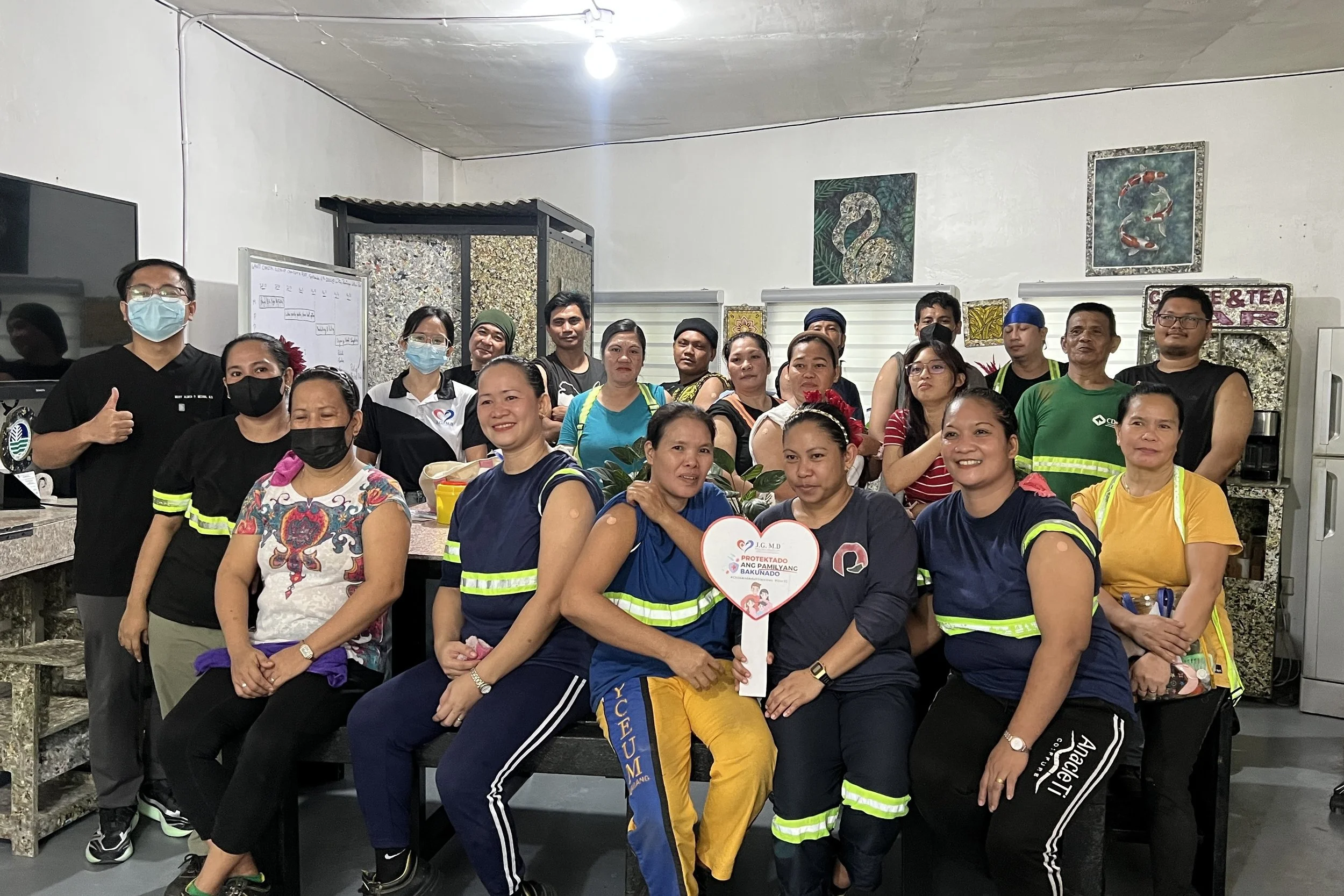
Healthcare: Access to health services through a Health Maintenance Organization (HMO), health allowance, and vaccination programs.
Family support: Extended maternity leave.
Safety and development: Regular training, safety orientations, workplace checks, and appropriate personal protective equipment.
On July 24, 2026, we held a vaccination drive offering Hepatitis B and influenza vaccines to employees. This initiative reflects our commitment to preventive healthcare and to protecting the people who help turn our sustainability mission into reality.
By supporting our employees' well-being, we strengthen the foundation of our work and the communities connected to it.
Q3 Highlights: Partnerships That Create Impact
1. Providing Better Learning Opportunities Through School Chair Donations
The Plaf School Chair initiative continues to demonstrate how recycling can create benefits beyond environmental protection. By transforming recovered plastic into durable school furniture, we help address the shortage of chairs in Philippine public schools while giving plastic waste a renewed purpose.
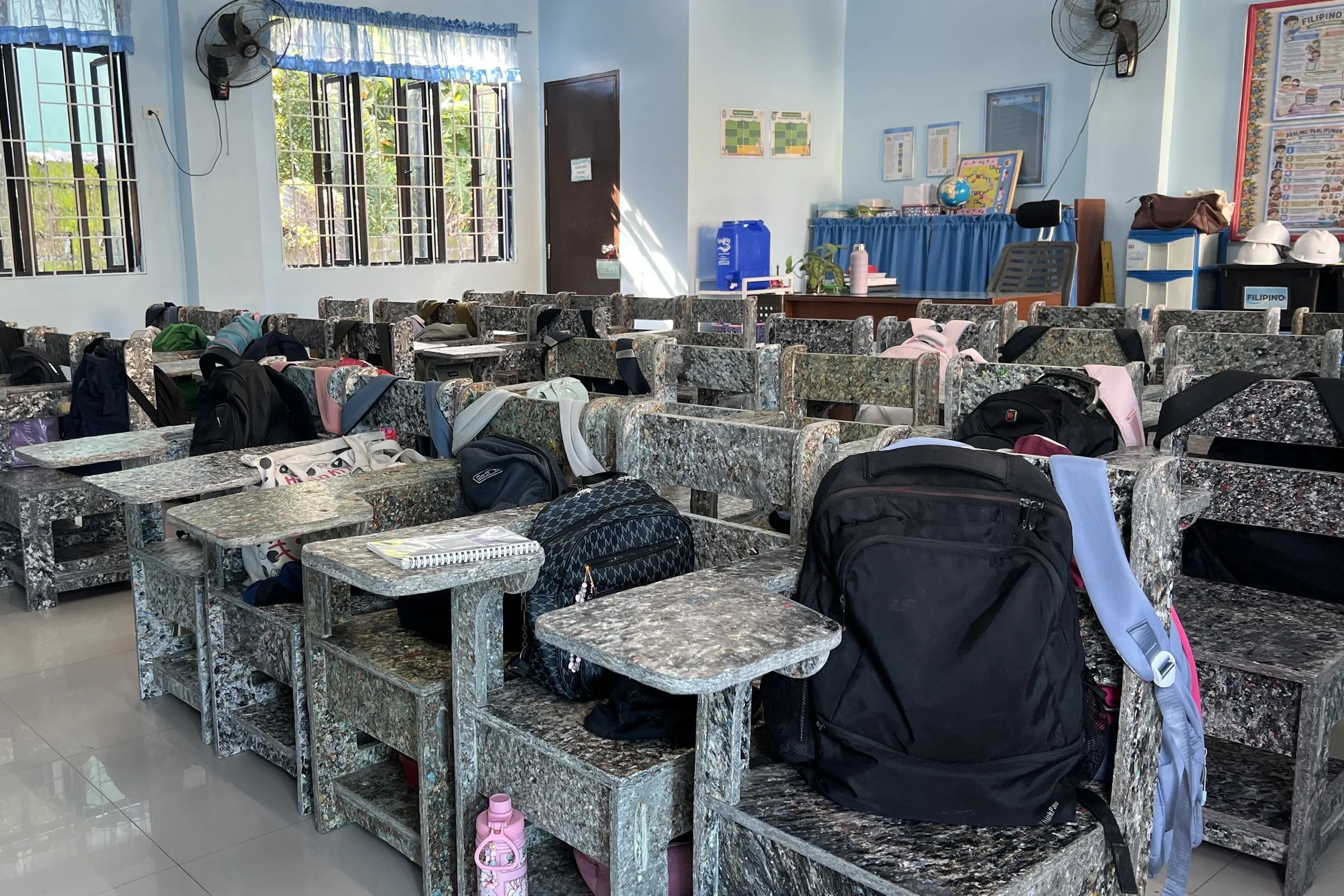
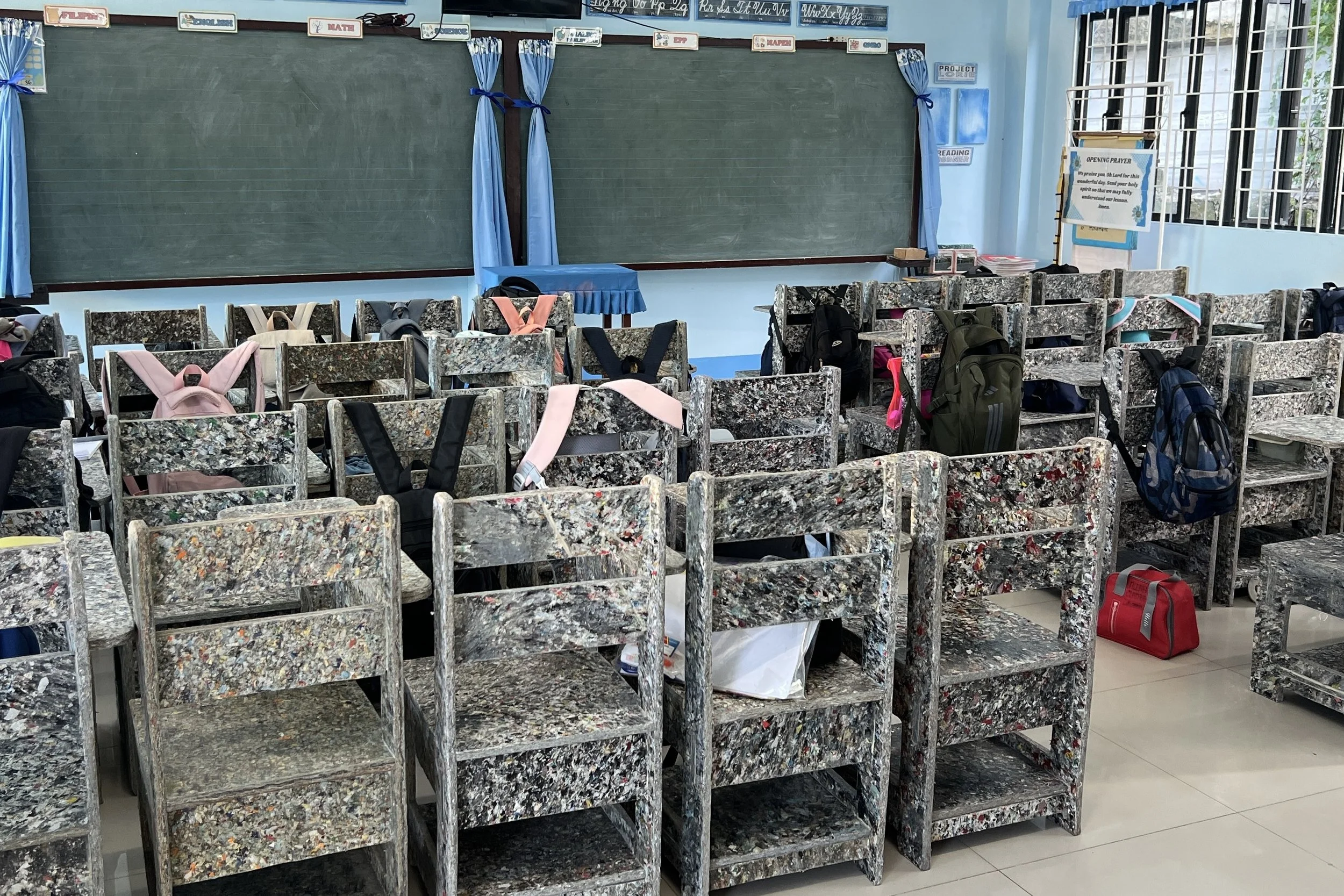
As of September 2026, 16,434 students have benefitted from donations of our Plaf School Chairs.
Our partners continue to play an essential role in bringing these chairs to students who need them. Among the organizations that supported school chair donations during the reporting period were Junior Chamber International Manila (JCI Manila), Security Bank Foundation, Inc., Medical Doctors Inc. (Makati Medical Center), Ayala Corporation, and CMA CGM.
Through our own fundraising campaign, A Thousand Chairs of Hope, we also supported the donation of Plaf School Chairs to Borol 1st Elementary School in Balagtas, Bulacan.
These efforts show how companies and organizations can contribute to both environmental sustainability and education. Every partnership helps turn recovered plastic into something useful for Filipino learners.
2. Taking Action for Cleaner Coasts on International Coastal Cleanup Day
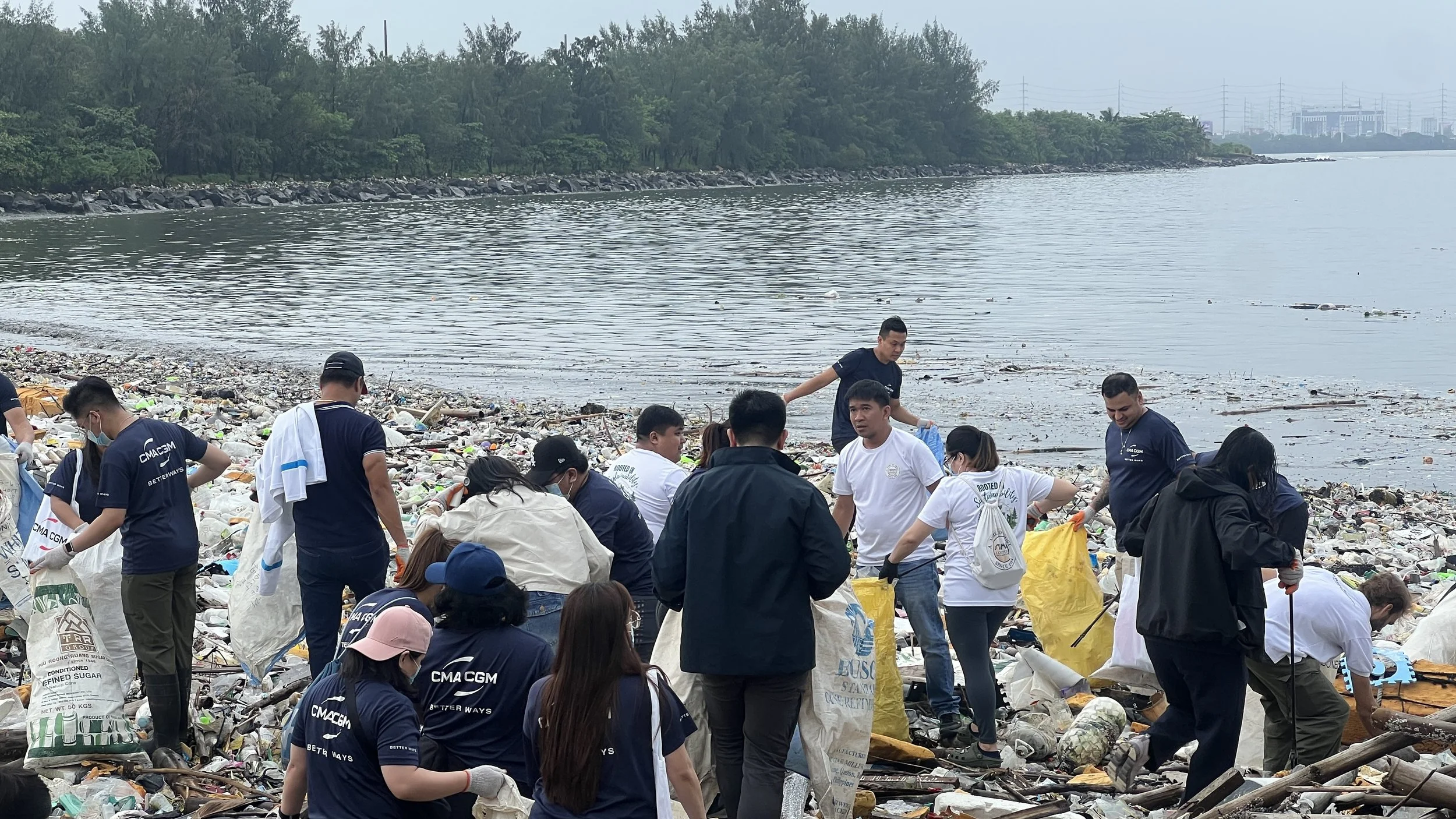
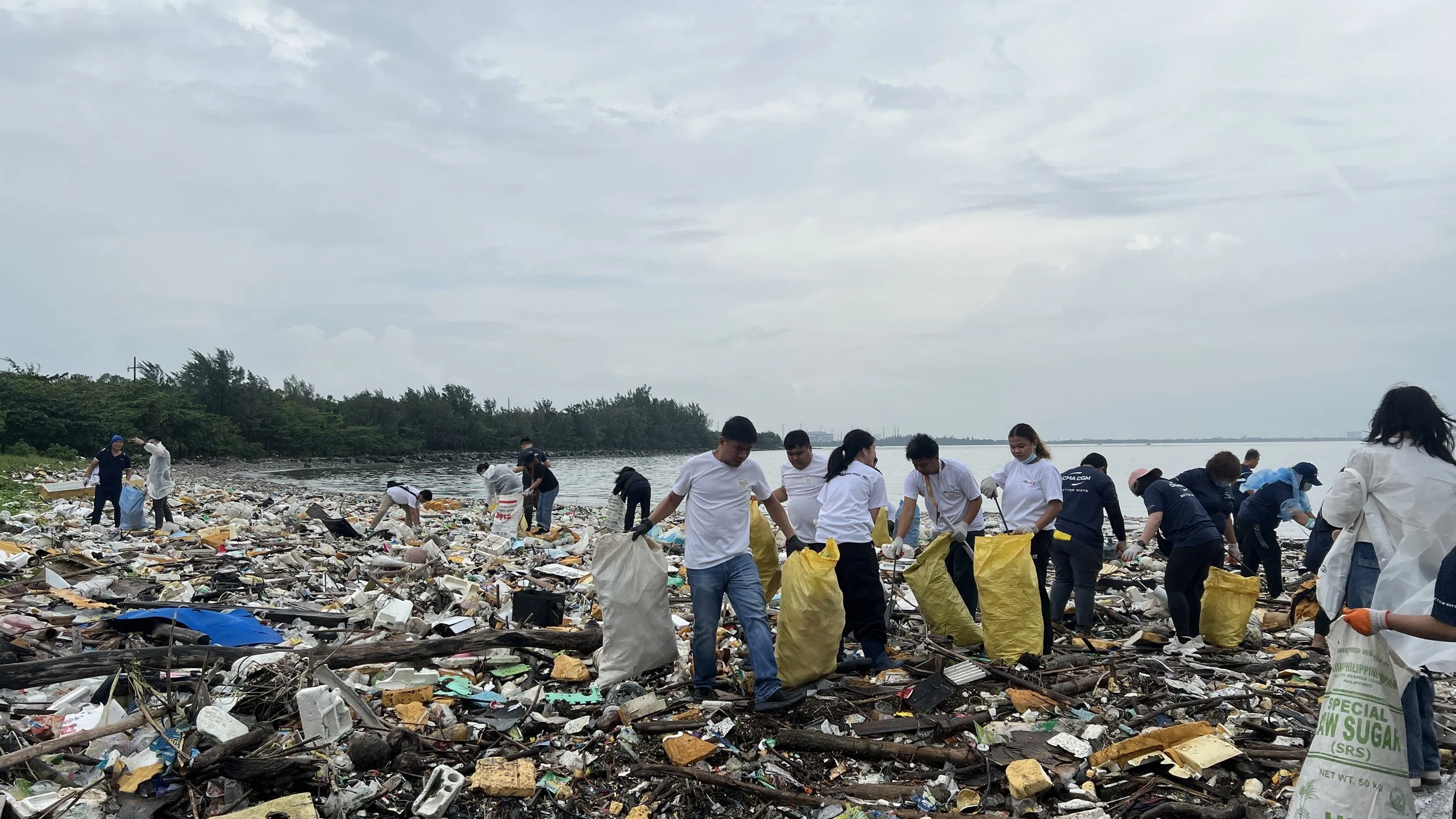
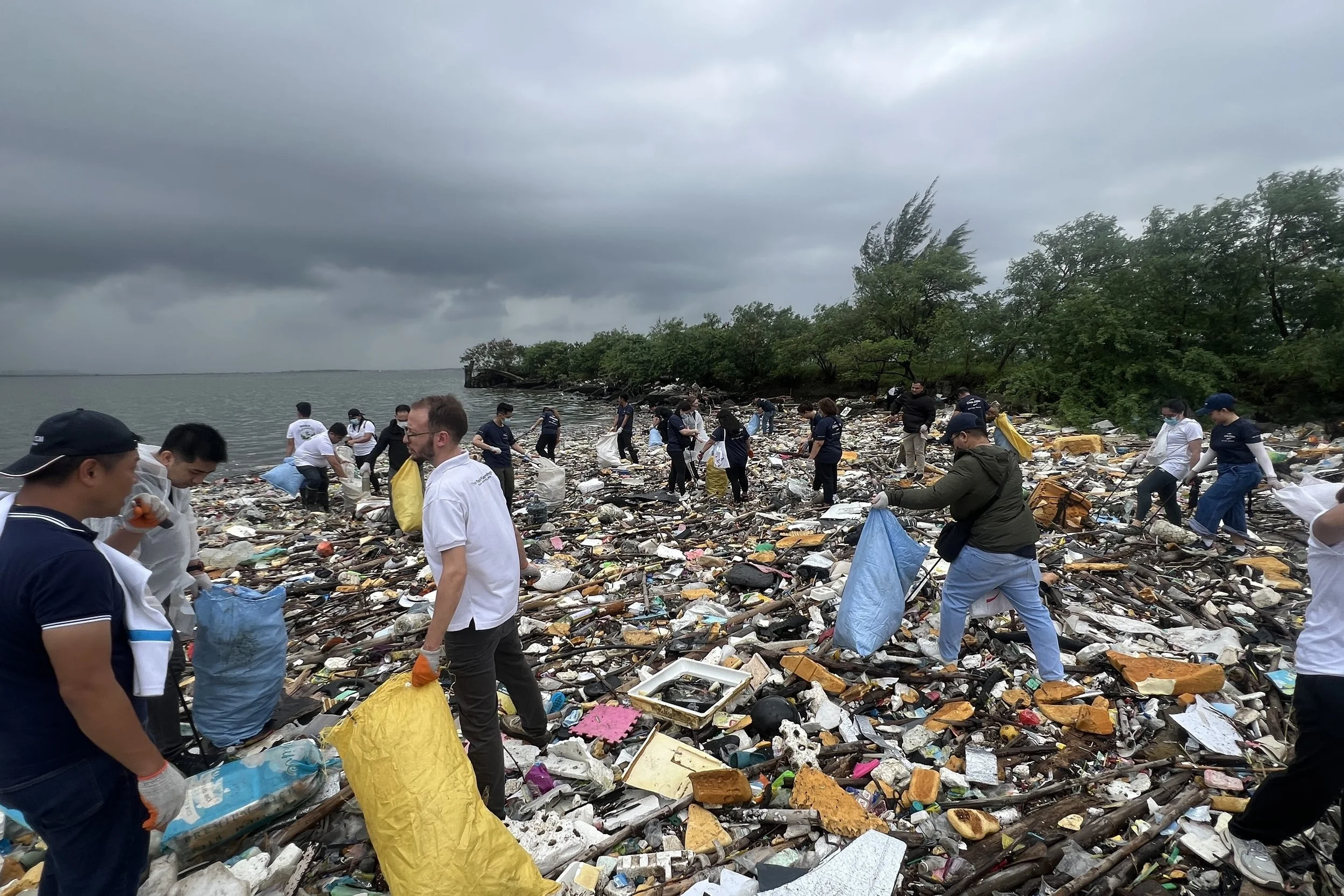
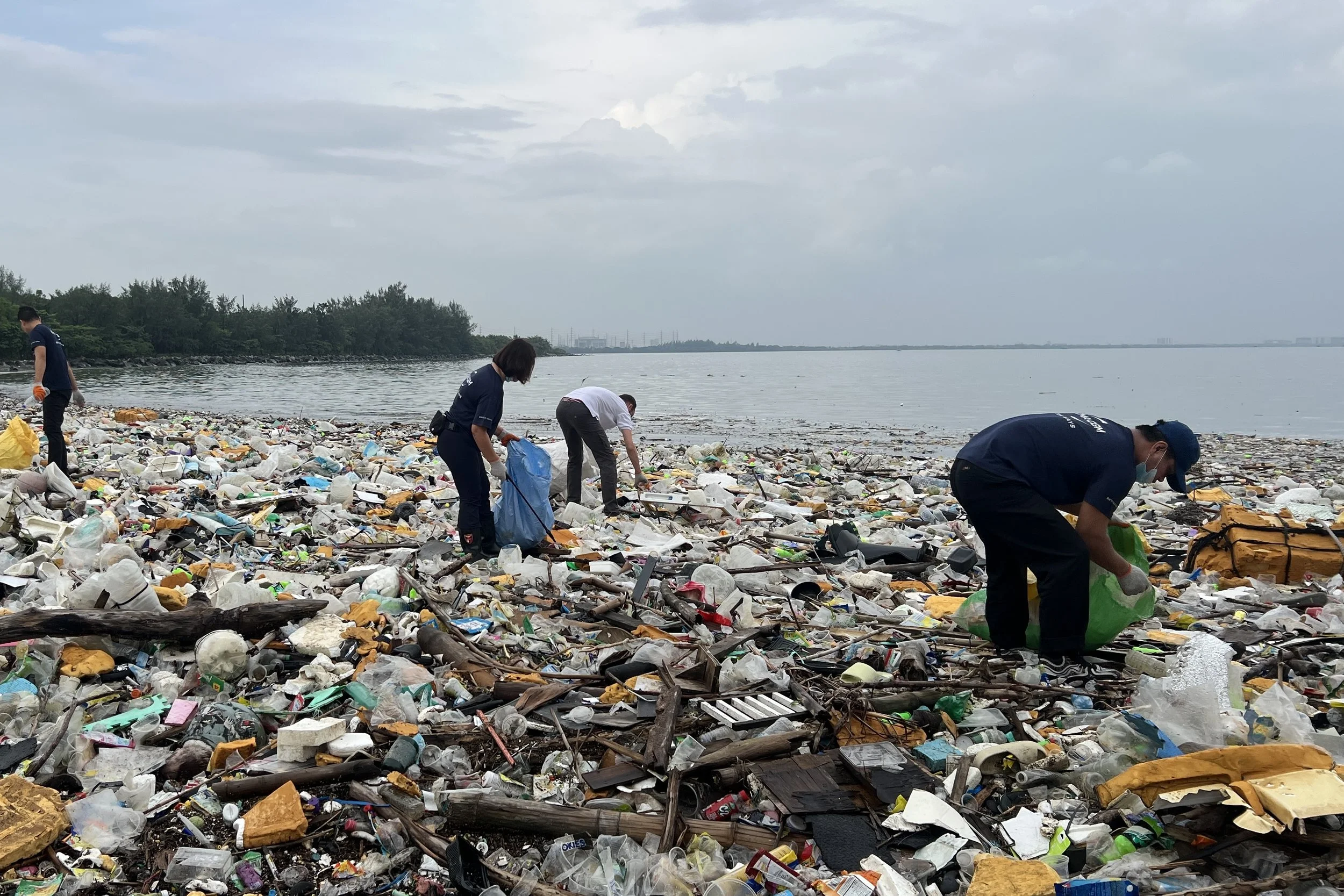
Recycling is essential, but we must also confront the plastic waste that has already entered our environment.
Last September, The Plaf joined partners for coastal cleanup activities at the Las Piñas–Parañaque Wetland Park (LPPWP), a protected coastal wetland and wildlife sanctuary.
Megawide Foundation partnered with us in diverting plastic waste collected during its beach cleanup. CMA CGM also worked with The Plaf to organize a cleanup that immersed its team in the realities of plastic pollution. Through the activity, CMA CGM collected and diverted almost 500 kilograms of plastic waste that had washed ashore at the wetland park.
These activities highlight the importance of collective action. Removing waste from vulnerable coastal environments is an important step, and ensuring that recovered materials enter appropriate recycling pathways can help give them a second life.
A cleaner environment requires both responsible waste management and continued efforts to prevent plastic pollution at its source.
3. Bringing Sustainability into the Public Conversation
The Plaf's school chair initiative was also featured on Asenso Pilipino, a Department of Trade and Industry (DTI) show hosted by Karen Davila.
The feature highlighted our approach to plastic recovery, from collecting waste to transforming it into recycled products. It also emphasized the social impact of our school chair donations and the importance of private-sector partnerships in advancing sustainable solutions in the Philippines.
We are grateful for opportunities to share how circular design can turn a persistent environmental challenge into something that serves communities. By bringing these stories to a wider audience, we hope to encourage more organizations to explore practical ways of contributing to the circular economy.
Looking Ahead: Building a More Circular Future Together
The third quarter of 2026 reminded us that meaningful change happens when environmental solutions and social impact work together.
From processing recycled materials at full capacity to supporting employees, helping provide school furniture, and participating in coastal cleanup activities, The Plaf continues to work toward a future where plastic waste can become a resource rather than a threat to our environment.
Our progress would not be possible without our dedicated team, corporate partners, and supporters who share our commitment to sustainability.
There is still more work to do. By strengthening recycling pathways, creating demand for recycled materials, and developing partnerships that deliver measurable impact, we can continue building a more circular future for the Philippines.
Let's work together to turn plastic waste into lasting impact.
Interested in partnering with The Plaf? Whether your organization wants to support school chair donations, explore recycled plastic products, or strengthen its sustainability initiatives, we would love to hear from you.
Contact us at hello@theplaf.com or visit Contact us Form to learn more.